
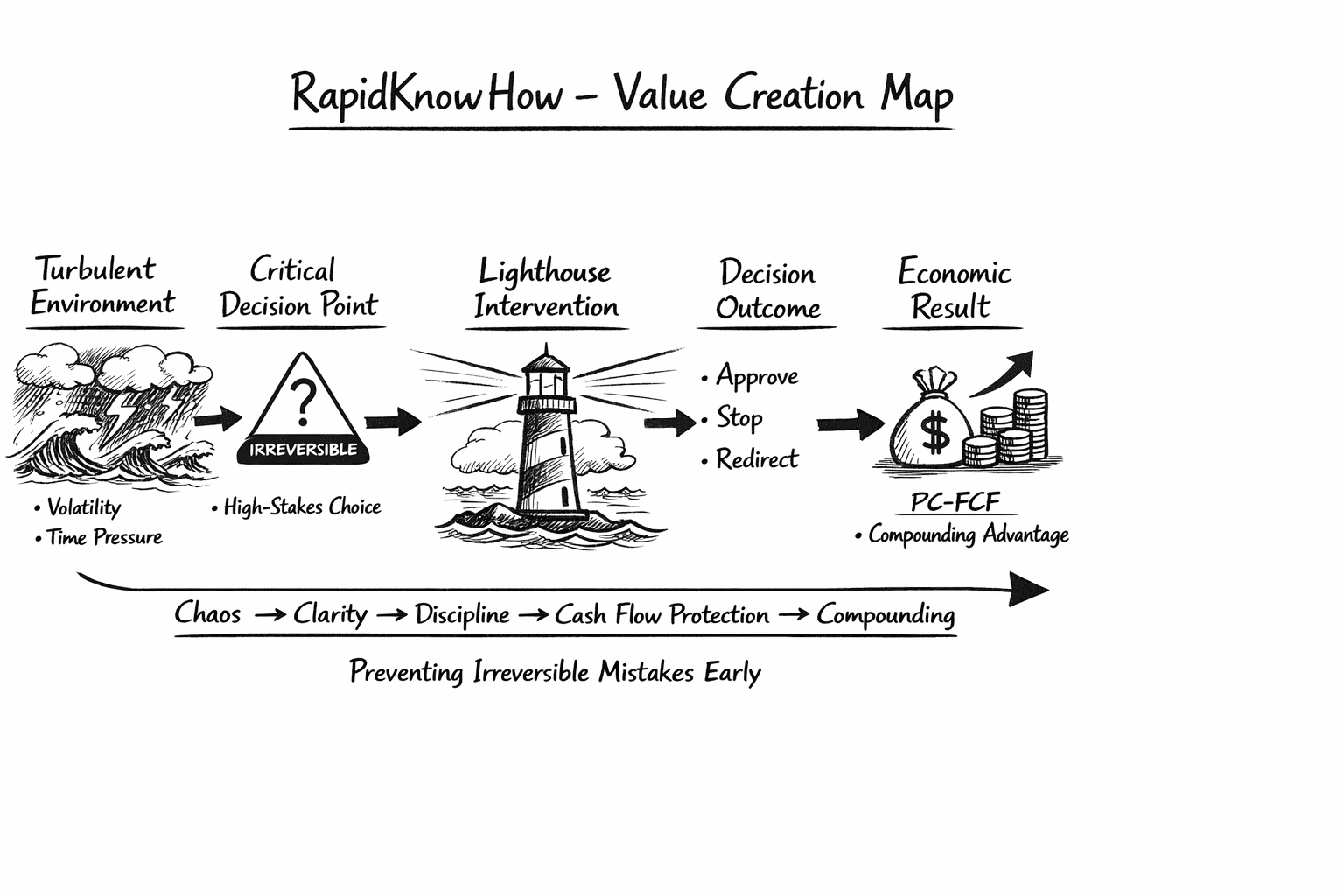
Navigating a competitive market requires a focused approach to creating and sustaining value. Businesses that succeed often do so by understanding their environment, building a clear identity, and actively seeking ways to differentiate themselves. This involves an ongoing process of adaptation and a commitment to providing genuine value to customers.
This guide offers practical advice for businesses aiming to thrive in a competitive landscape. It covers key areas such as understanding the market, building a strong brand, leveraging innovation, focusing on customer service, developing unique strengths, forming strategic alliances, and adapting to change. By implementing these strategies, businesses can establish a more robust position and achieve long-term success.
Understanding the Competitive Landscape
Successfully positioning a business begins with a thorough understanding of the market in which it operates. This involves identifying not only the existing competitors but also their strategies, strengths, and weaknesses. It’s like being a cartographer, mapping out the terrain before embarking on a journey.
Identifying Competitors
Competitors can be categorized into direct and indirect rivals. Direct competitors offer similar products or services to the same target audience. Indirect competitors, while not offering identical solutions, address the same customer need or desire. For instance, a restaurant competing for a customer’s evening meal budget is a direct competitor to other restaurants, but an indirect competitor to a cinema or a takeaway service.
Direct Competitors
Direct competitors are those whose offerings closely mirror yours. They often target the same demographic and operate within the same geographical area or online space. Analyzing their pricing, marketing campaigns, product features, and customer reviews can reveal insights into their operational model and customer appeal. Understanding their successes and failures can provide a roadmap for your own strategy.
Indirect Competitors
Indirect competitors present a different type of challenge. They may satisfy the same core customer need through alternative means. Identifying these requires thinking broadly about why a customer chooses a particular solution. If your business sells coffee, indirect competitors include tea shops, juice bars, and even vending machines offering beverages.
Analyzing Market Dynamics
Beyond individual competitors, it’s essential to understand broader market trends and forces. This includes economic conditions, technological advancements, regulatory changes, and shifts in consumer behavior. These factors can create both opportunities and challenges. For example, a growing awareness of environmental sustainability can be an opportunity for eco-friendly businesses, but a challenge for those reliant on less sustainable practices.
Identifying Opportunities
Opportunities arise from unmet customer needs, emerging market gaps, or evolving consumer preferences. These can be nurtured and exploited to gain a competitive edge. Listening to customer feedback, monitoring industry reports, and observing societal shifts are vital for spotting these openings.
Recognizing Challenges
Challenges are obstacles that can hinder growth or threaten market position. These might include increasing competition, rising operational costs, or changing consumer tastes. Proactive identification allows for the development of mitigation strategies, preventing potential crises from derailing your business.
Building a Strong Brand Identity
In a crowded marketplace, a well-defined brand identity is the beacon that guides customers to your business. It’s more than just a logo; it’s the sum total of perceptions, emotions, and experiences associated with your company. A strong brand builds trust and recognition, making it easier for customers to choose you over competitors.
Defining Your Brand’s Core Values
Your brand’s core values are the guiding principles that inform your decisions and actions. They should reflect what your business stands for and resonate with your target audience. These values should be authentic and consistently communicated through all aspects of your business.
Communicating Brand Values
Clearly articulating your brand’s values is crucial. This can be done through your company mission statement, marketing materials, and employee conduct. When customers understand and align with your values, a deeper connection is formed.
Developing a Unique Brand Voice and Personality
Your brand’s voice is the tone and style of your communication, while its personality is the human-like characteristics it embodies. These elements should be consistent across all platforms, from website copy to social media posts. A distinct voice helps your brand stand out and connect with your audience on an emotional level.
Crafting Your Brand Message
Your brand message is the core idea you want to convey to your audience. It should be concise, memorable, and emphasize your key differentiators. This message acts as a recurring theme throughout your marketing efforts.
Creating a Memorable Visual Identity
Visual elements such as your logo, color palette, typography, and imagery play a significant role in brand recognition. A cohesive and professional visual identity reinforces your brand’s message and makes it easily identifiable. Consistency in your visual branding across all touchpoints is paramount.
Logo Design and Application
The logo is often the first point of contact a customer has with your brand. It should be simple, versatile, and representative of your business. Proper application of the logo across all materials ensures brand consistency.
Color Palette and Typography
The choice of colors and fonts can evoke specific emotions and perceptions. A well-chosen color palette and consistent typography contribute to a professional and memorable brand image.
Leveraging Innovation and Technology
Innovation and technology are powerful engines for growth and differentiation. Businesses that embrace them don’t just keep pace; they often set the pace for the industry, carving out new territories and efficiencies.
Embracing Technological Advancements
The digital age offers a plethora of tools and platforms that can transform business operations, marketing, and customer engagement. Staying informed about new technologies and assessing their potential application is a continuous process.
Digital Marketing Tools
From social media platforms and email marketing software to search engine optimization (SEO) and content management systems (CMS), digital tools offer powerful ways to reach and engage customers. Understanding how to effectively use these tools can significantly expand a business’s reach and impact.
Automation and Efficiency
Automation technologies can streamline repetitive tasks, freeing up human capital for more strategic initiatives. This can range from customer service chatbots to automated inventory management systems, leading to increased efficiency and reduced operational costs.
Fostering a Culture of Innovation
Innovation isn’t solely about adopting new technology; it’s also about encouraging creative thinking and problem-solving within the organization. A culture that values new ideas and supports experimentation is more likely to generate breakthrough solutions.
Research and Development (R&D)
Investing in R&D, even on a small scale, can lead to product or service improvements that give a business a competitive edge. This might involve dedicated internal resources or collaborations with external institutions.
Encouraging Employee Ideas
Employees on the front lines often have the most valuable insights into where improvements can be made or new opportunities lie. Creating channels for them to share ideas and recognizing their contributions fosters a more innovative environment.
Adapting to Digital Transformation
Whether it’s adopting cloud computing, utilizing data analytics, or enhancing cybersecurity, digital transformation is an ongoing journey. Businesses that actively manage this process are better equipped to respond to market shifts and maintain a competitive advantage.
Data Analytics for Insights
The vast amounts of data generated by digital interactions can provide invaluable insights into customer behavior, market trends, and operational performance. Utilizing data analytics tools allows businesses to make more informed decisions.
Cybersecurity Measures
As digital operations expand, robust cybersecurity measures become essential to protect sensitive data and maintain customer trust. Investing in security protocols is not an option but a necessity in the modern digital landscape.
Providing Exceptional Customer Service
| Metrics | 2019 | 2020 | 2021 |
|---|---|---|---|
| Customer Satisfaction | 85% | 88% | 90% |
| Net Promoter Score (NPS) | 45 | 50 | 55 |
| First Contact Resolution Rate | 75% | 78% | 80% |
| Average Response Time | 24 hours | 20 hours | 18 hours |
In a world where products and services can often be replicated, exceptional customer service remains a powerful differentiator. It’s the human touch that transforms transactional relationships into loyal partnerships. Think of it as the warm handshake that seals a deal, leaving a lasting positive impression.
Understanding Customer Needs and Expectations
The foundation of great customer service is a deep understanding of what your customers want and expect. This goes beyond simply providing a product; it involves anticipating their needs and offering support that exceeds their initial requirements.
Gathering Customer Feedback
Actively soliciting feedback through surveys, reviews, and direct conversations is crucial. This feedback loop provides valuable information for improving products, services, and the overall customer experience.
Mapping the Customer Journey
Understanding the entire customer journey, from initial awareness to post-purchase support, allows businesses to identify potential pain points and areas for enhancement. Each touchpoint is an opportunity to build rapport.
Delivering Responsive and Efficient Support
Customers expect prompt and effective resolutions to their queries and issues. This requires well-trained staff, efficient communication channels, and a commitment to problem-solving.
Communication Channels
Offering multiple, easily accessible communication channels (phone, email, live chat, social media) caters to different customer preferences and ensures that support is readily available.
Issue Resolution
Empowering customer service representatives to resolve issues efficiently and empathetically builds trust and loyalty. A swift and satisfactory resolution can turn a potentially negative experience into a positive one.
Creating Positive Customer Experiences
Beyond just service, focus on crafting memorable experiences. This involves personalization, attentiveness, and the ability to surprise and delight customers.
Personalization Strategies
Tailoring interactions and offers to individual customer preferences demonstrates that you value their business and understand their unique needs. This can be achieved through CRM systems and data analysis.
Going the Extra Mile
Sometimes, a small gesture or an unexpected act of kindness can have a profound impact on customer loyalty. Encouraging employees to look for opportunities to exceed expectations fosters a culture of exceptional service.
Developing Unique Selling Propositions

A Unique Selling Proposition (USP) is the clear, compelling reason why a customer should choose your business over all others. It’s the gem in your offering that shines brighter than the rest. Without a distinct USP, a business risks blending into the background noise of the market.
Identifying Your Business’s Strengths
The first step in developing a USP is to honestly assess what your business does exceptionally well. This could be superior quality, unmatched speed, specialized expertise, or a particularly innovative approach.
Product or Service Differentiation
What makes your product or service stand out? Is it the materials used, the innovative features, the design, or the specific problem it solves better than any other?
Operational Excellence
Sometimes, the USP lies not in the product itself, but in how it’s delivered. This could be faster delivery times, a more convenient purchasing process, or a unique customization option.
Articulating Your Value Proposition
Your value proposition is a concise statement that communicates the benefits customers receive from your product or service. It answers the question: “Why should I buy from you?”
Focusing on Customer Benefits
A strong value proposition focuses on the tangible benefits customers will gain, rather than just listing features. For example, instead of “Our software has X feature,” say “Our software saves you X hours per week.”
Clarity and Conciseness
The value proposition should be easy to understand and remember. Avoid jargon and overly technical language. It needs to resonate immediately with the target audience.
Differentiating Through Customer Focus
In many markets, the most enduring USPs are built around an exceptional understanding and catering to customer needs. This can manifest in various ways.
Niche Market Specialization
Focusing on a specific niche market and becoming the undisputed leader in that area can be a powerful USP. This allows for a deep understanding of a particular customer group’s needs.
Unparalleled Expertise
If your business possesses a level of knowledge or skill that is difficult to replicate, this can serve as a strong differentiator. Positioning your company as a thought leader in your field builds trust and attracts customers seeking specialized solutions.
Cultivating Strategic Partnerships
In the complex ecosystem of modern business, going it alone is rarely the most effective strategy. Strategic partnerships, much like a well-formed team, can amplify strengths, mitigate weaknesses, and unlock new avenues for growth.
Identifying Complementary Businesses
The most successful partnerships are those where businesses can offer something that complements, rather than competes with, each other. This synergy allows for greater value to be delivered to the end customer.
Cross-Promotional Opportunities
Partnering with businesses that share your target audience but offer non-competing products or services can lead to mutually beneficial cross-promotional activities, expanding reach for both parties.
Joint Product Development
Collaborating on new products or services can combine unique expertise and resources, leading to more innovative and robust offerings than either company could develop independently.
Building Mutual Trust and Transparency
Like any strong relationship, strategic partnerships are built on a foundation of trust, open communication, and mutual respect. Without these, even the most promising collaborations can falter.
Clear Communication Protocols
Establishing clear channels and frequency of communication ensures that both parties are aligned and informed. Regular meetings and transparent reporting are key.
Defined Roles and Responsibilities
Clearly outlining the roles and responsibilities of each partner involvement prevents misunderstandings and ensures accountability. This helps to avoid duplication of effort and potential conflict.
Collaborating for Shared Goals
Successful partnerships are driven by a shared vision and common objectives. When both entities are working towards the same outcome, the potential for success is significantly enhanced.
Joint Marketing Initiatives
Combining marketing efforts can create a powerful, unified message that reaches a wider audience and resonates more strongly. This could involve co-branded campaigns or shared event participation.
Resource Sharing
Partnerships can allow for the sharing of resources, whether it be physical assets, technical expertise, or customer bases. This can lead to cost savings and increased efficiency for all involved.
Adapting to Market Trends
The business environment is in constant flux. Markets shift, consumer preferences evolve, and new technologies emerge with remarkable speed. Businesses that fail to adapt are like ships sailing without a rudder, eventually being overtaken by the currents of change.
Monitoring Industry Shifts
Staying informed about evolving industry trends is paramount. This involves actively tracking news, attending industry events, and engaging with market research.
Staying Abreast of Consumer Behavior
Consumer desires and purchasing habits are dynamic. Understanding these changes, driven by social, economic, or technological factors, allows businesses to pivot their offerings accordingly.
Technological Advancements
New technologies can disrupt existing markets or create entirely new ones. Businesses must be vigilant in observing and evaluating the potential impact of these advancements.
Embracing Agility and Flexibility
Agility refers to a business’s ability to respond quickly and effectively to change. This requires flexible operational structures and a willingness to deviate from established plans when necessary.
Iterative Development
Adopting an iterative approach to product development or service improvement allows for continuous testing and refinement based on market feedback, rather than relying on large, infrequent updates.
Scenario Planning
Developing contingency plans for various potential future scenarios helps businesses prepare for unforeseen challenges and opportunities, fostering a proactive rather than reactive stance.
Continuous Learning and Improvement
The commitment to adaptation extends to a culture of continuous learning. This applies to individuals within the organization and the business as a whole.
Skill Development
Investing in employee training and development ensures that the workforce possesses the skills needed to navigate evolving market demands and technological shifts.
Post-Mortem Analysis
Regularly reviewing past projects, campaigns, or strategic decisions provides valuable lessons for future endeavors. Understanding what worked and what didn’t is crucial for ongoing improvement. By actively engaging with these principles, businesses can not only survive but truly flourish in any competitive environment.
FAQs
What are some tips for standing out and succeeding in a competitive market?
Some tips for standing out and succeeding in a competitive market include understanding the competitive landscape, building a strong brand identity, leveraging innovation and technology, providing exceptional customer service, developing unique selling propositions, cultivating strategic partnerships, and adapting to market trends.
How can businesses identify opportunities and challenges in the competitive landscape?
Businesses can identify opportunities and challenges in the competitive landscape by conducting thorough market research, analyzing industry trends, monitoring competitor activities, and seeking feedback from customers and stakeholders.
What are some strategies for differentiating a business in a crowded market?
Strategies for differentiating a business in a crowded market include building a strong brand identity, highlighting unique selling propositions, leveraging innovation and technology, providing exceptional customer service, and cultivating strategic partnerships.
How can businesses stay ahead of the competition by leveraging innovation and technology?
Businesses can stay ahead of the competition by leveraging innovation and technology through continuous research and development, adopting new technologies, embracing digital transformation, and implementing efficient processes to improve productivity and customer experience.
Why is providing exceptional customer service important for creating value in a competitive market?
Providing exceptional customer service is important for creating value in a competitive market because it helps build customer loyalty, enhances brand reputation, generates positive word-of-mouth, and differentiates a business from its competitors.