Trump Legacy & Global Order 2025–2030
Flashpoint Code: TLG-2030
Region: Global (US–Europe–China–Russia–Latin America–Arctic)
Timeframe: 2025–2030
Status: Ongoing systemic shock
1. 15-Second Executive Insight
Trump II is not just a presidency – it’s a system shock.
The United States is simultaneously re-centralizing power at home and dismantling parts of its own post-1945 global order, producing a more transactional, volatile, and personalized world system.
This flashpoint will decide whether 2025–2030 becomes a managed realignment or a chaotic de-Americanization of the global order.
2. System Map – Power Drivers & Actors
2.1 Core Driver: Trump II System
- US Executive:
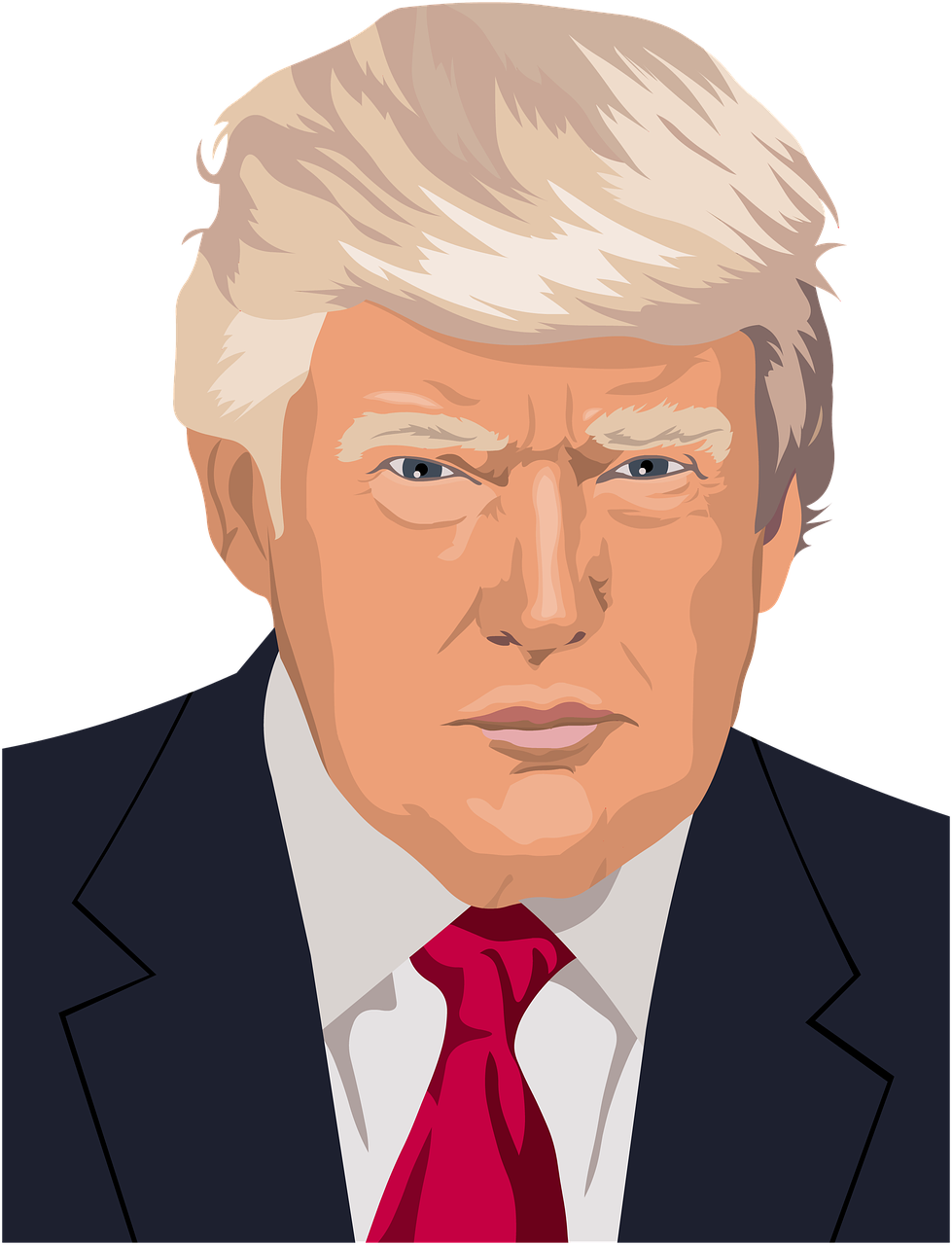
Donald Trump as 47th President (second, non-consecutive term) with strong personal control over messaging and foreign policy. - Inner Circle:
JD Vance (VP), Marco Rubio (Secretary of State), economic hawks shaping tariffs, energy, and industrial policy. - Doctrine 2.0:
“America First” upgraded into aggressive sovereignty + economic state capitalism (tariffs, industrial policy, energy dominance).
2.2 Flashpoint Axes
- Western Hemisphere Shock:
– US capture of Nicolás Maduro, de facto US-supervised transition and oil control → precedent of hard Monroe Doctrine revival. - Arctic & Greenland Tension:
– Trump signaling strategic need for Greenland; Denmark + UK reaffirm Greenland’s self-determination → test of NATO unity vs US pressure. - US vs Its Own Order:
– Eurasia Group’s “Top Risk 2026”: U.S. dismantling its own global order through domestic political revolution and interventionist economic nationalism. - Allies in Flux (EU, UK, Japan):
– Recalibrating between dependency on US security and need for strategic autonomy. - Rivals (China, Russia, Iran):
– Testing red lines in Ukraine, High North, Taiwan, Middle East while US bandwidth is stretched.
3. Risk Assessment Matrix (Integrated)
3.1 Internal US System Risks (2025–2030)
| # | Risk | Likelihood | Impact | Description |
|---|---|---|---|---|
| 1 | Norm Erosion | High | Very High | Contesting elections, attacking institutions, normalizing personal rule patterns. |
| 2 | Chronic Polarization | High | High | Stable “cold civil war” – every election seen as existential. |
| 3 | Policy Whiplash | High | High | Extreme swings on trade, climate, alliances every 4–8 years. |
| 4 | Legitimacy Drift | Med–High | Very High | Growing groups no longer trust elections, media, or federal institutions. |
| 5 | Radicalization | Medium | High | Localized political violence around flashpoints and elections. |
Interpretation:
The US remains a military and economic giant, but becomes a governance and predictability risk – a central actor whose internal volatility destabilizes others.
3.2 Global System Risks (2025–2030)
| # | Risk | Likelihood | Impact | Description |
|---|---|---|---|---|
| 1 | Alliance Fracture | Med–High | High | NATO/EU/Japan hedging as US reliability fluctuates. |
| 2 | Multipolar Escalation | High | High–Very High | Russia, China, and regional powers fill vacuums; more proxy wars. |
| 3 | Intervention Norm Shift | Medium | High | Venezuela operation normalizes regime-change / resource-control interventions. |
| 4 | Governance Paralysis | Med–High | High | UN/WTO/climate mechanisms blocked or bypassed; ad hoc coalitions instead. |
| 5 | Copycat Sovereignty Populism | High | Medium–High | Leaders emulate Trump’s style: attacking courts, media, and checks. |
Interpretation:
The “US as stabilizer” function is downgraded; volatility and transactional bargaining become the new normal.
4. Scenario Triad 2025–2030
Scenario A – Managed Realignment
- US keeps “America First” but rebuilds selective trust with key allies (UK, Japan, parts of EU).
- Venezuela is transitioned, elections held, oil contracts normalized under some international oversight.
- Greenland situation stabilized via explicit guarantees of Danish/Greenlandic sovereignty and a cooperative defense package.
- Multipolar tensions remain, but new rules emerge for tech, energy, and security.
Outcome: Disorder shock → new, rough equilibrium.
Scenario B – Perpetual Instability
- Venezuela becomes a semi-protectorate with contested legitimacy and recurring insurgency.
- Greenland/High North remains a contested pressure point between US security logic and Nordic/EU sovereignty logic.
- Allies hedge constantly; trust in US support is conditional and short-term.
- Russia–Ukraine, China–US, and Middle East tensions stay in permanent crisis management mode.
Outcome: No collapse, but high global “anxiety regime”.
Scenario C – Norm Collapse & Block Politics
- US uses Venezuela precedent for other strategic interventions, normalizing resource-securing operations.
- Denmark/EU confront US harder over Greenland; Arctic becomes new pressure theater.
- China, Russia, and others formalize counter-blocks (BRICS+, energy/tech alliances) against unpredictable US.
- Global order fractures into competing hard spheres with weakened global rules.
Outcome: From liberal order → fragmented neo-imperial competition.
5. GeoPower® Indicators – What to Watch (2025–2030)
Category A – Trump System Signals
- Tone and content of State of the Union 2026: confrontation vs coalition.
- Davos 2026 speech: tariffs, energy, and alliance language.
- Further executive orders redefining names, territories, or economic spheres (e.g., Denali / Gulf of America pattern).
Category B – Venezuela Trajectory
4. Timeline and credibility of elections in Venezuela.
5. Degree of US control over oil flows and infrastructure.
Category C – Greenland / Arctic
6. Any formal proposals or defense agreements involving Greenland.
7. NATO posture and exercises in High North.
Category D – Systemic Risk
8. Ratings & narratives like Eurasia Group “Top Risks”: direction of US global role.
9. EU/Japan language: “strategic autonomy”, independent defense structures.
10. Frequency of openly contested election results and mass protests in major democracies.
6. Action Playbooks – For Different GeoPlayers
6.1 For European Leaders (EU + UK + Nordics)
Objective: Survive the volatility, preserve agency.
Moves:
- Build Strategic Autonomy Light
– Defense, energy, and digital infrastructures that work with US, but do not collapse without US. - Anchor Greenland & Arctic in Law
– Strong, explicit sovereignty and environmental frameworks; Arctic Council upgrades; EU–Nordic defense coordination. - Dual Channel Diplomacy
– Formal diplomacy with Trump admin + informal backchannels to US Congress, states, and think tanks to hedge for 2028+.
6.2 For Emerging Powers (India, Brazil, Gulf, Turkey, ASEAN)
Objective: Exploit openings without becoming collateral.
Moves:
- Flexible Non-Alignment
– Deal with US, China, EU selectively on tech, energy, arms, and finance. - Regional Compacts
– Stabilize neighborhood: avoid being arenas for proxy clashes (e.g., LatAm post-Venezuela). - Resilience First
– Food, energy, financial buffers; own satellite & digital networks.
6.3 For CEOs & Global Businesses
Objective: Navigate Trump Legacy risk for strategy & investment.
Moves:
- Re-Map Country Risk
– Include US political volatility as a major driver (tariffs, sanctions, asset freezes, industrial decrees). - Diversify Rule-Sets
– Don’t rely on a single regulatory regime; design products & supply chains that can swing between US, EU, China standards. - Scenario Contracts
– Renegotiate key contracts with political risk clauses, tariff flex, force majeure extensions. - GeoMonitoring Routine
– Integrate GeoPower-style dashboard: track Venezuela, Greenland, US–China, US–EU indicators monthly.
7. GeoPower® Summary Line
Trump Legacy & Global Order 2025–2030 is a “regime change in how power is used”, not just who holds it.
The United States is testing how far a great power can go in personalizing policy, weaponizing sovereignty, and renegotiating its own order – without triggering systemic breakdown.
For leaders, the strategic rule is simple:
Do not bet on a return to the old order.
Design your strategy for a long phase of volatile, transactional, personality-driven geopolitics. – Josef David