
Skip to content
RapidKnowHow

RapidKnowHow

Turning Signals into Actionable Results

Primary Menu
  • Decision Governance Leader
    • Industrial Gas Leader
    • Business Leader
    • GeoPower Leader
    • Life Leader
    • Wealth Leader
  • RapidThrive
  • Licensing
  • About
    • 🏛 IGAS AI-Orchestrator™ – Premium Governance Mandate Architecture
    • Josef David
    • Contact
    • Legal & Licensing Notice
×
Live
  • Home
  • Career Leader
  • The 1-Hour Career Leader
  • BEST LEARNING using the 80/20 Pareto Formula

BEST LEARNING using the 80/20 Pareto Formula

Josef David 29th April 2024 3 minutes read
RapidKnowHow

The Pareto Principle, also known as the 80/20 rule, is a concept that suggests 80% of outcomes result from 20% of all causes for any given event. In the context of learning, this principle can be applied to optimise our learning process and achieve better results in a shorter amount of time.

The most effective and efficient learning method, according to the Pareto Principle, would be focusing on the 20% of material that will yield 80% of your desired outcomes. This is often referred to as ‘focused learning’ or ‘selective learning’. It’s about identifying and understanding the core principles or concepts that will have the greatest impact on your overall understanding or performance.

Why should we apply this method? The answer is simple: efficiency and effectiveness. Traditional learning methods often involve a lot of rote memorisation and covering vast amounts of material, much of which may not be directly relevant or useful. By applying the Pareto Principle, we can cut down on unnecessary study time and focus our efforts on what truly matters. This not only makes our learning more efficient (we spend less time studying), but also more effective (we retain and understand more).

So how do we apply this principle to our learning? Here are some steps:

1. Identify Your Learning Goals: What do you want to achieve from your study? Is it to pass an exam, gain a new skill, or simply broaden your knowledge? Having clear goals will help you identify what’s important.

2. Prioritise Your Learning Material: Once you’ve identified your goals, you need to prioritise your learning material based on these goals. Which topics or concepts are most relevant to your goals? These are what you should focus on.

3. Focus Your Study Time: Now that you’ve identified what’s important, dedicate most of your study time to these topics. Remember, it’s not about studying more, it’s about studying smarter.

4. Review and Adjust: Finally, regularly review your progress and adjust your study plan as needed. Are you meeting your goals? If not, you may need to refocus your efforts or adjust your priorities.

In conclusion, the Pareto Principle offers a powerful approach to learning that can help us achieve better results in less time. By focusing on the most important 20% of our learning material, we can ensure that our study time is both effective and efficient.

As for the next steps, I would recommend starting by identifying your learning goals and then prioritising your learning material based on these goals. Remember, the key is to focus on what’s most important and to regularly review and adjust your study plan as needed. Happy studying!

About the Author

Josef David

Administrator

Thriving Leadership / Owner RapidKnowHow.com /

Visit Website View All Posts
Sharing is Caring! Thanks!

Post navigation

Previous: VORHOFFLIMMERN: Anwenden des 80/20 Pareto Prinzips
Next: EFFECTIVE LEARNING (2) using the 80/20 Pareto Formula

Related Stories

15Sec

RapidKnowHow: 15 Seconds-Systems for Leaders

Josef David 5th April 2026
Industrial_Gas_FCF_Command_Center_V3

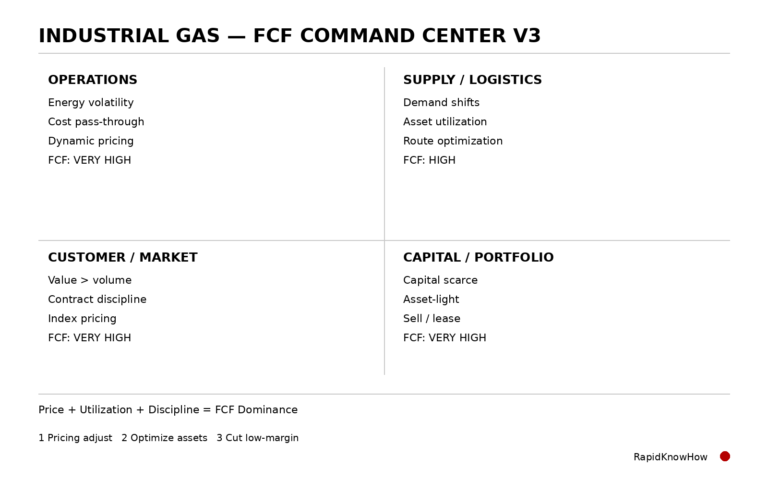
🧭 FCF COMMAND CENTER — INDUSTRIAL GAS – Week 15/2026

Josef David 5th April 2026
FCF_Command_Center_V3_CLEAN

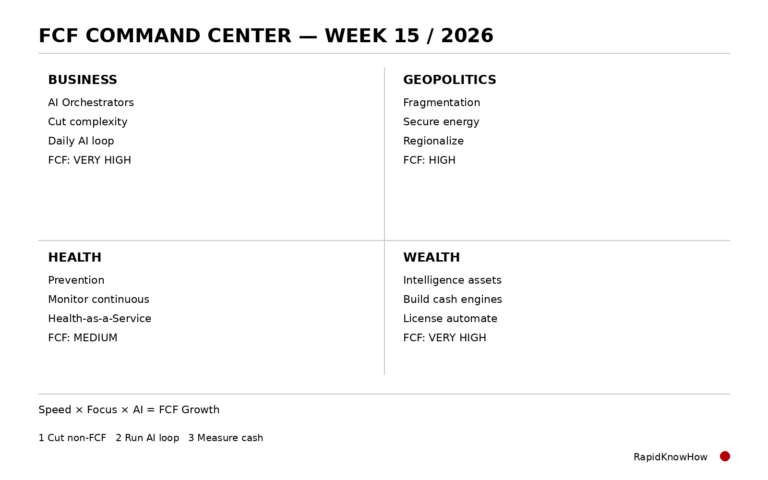
🔎 RapidKnowHow — Week 15/2026

Josef David 5th April 2026

You may have missed

15Sec

RapidKnowHow: 15 Seconds-Systems for Leaders

Josef David 5th April 2026
Industrial_Gas_FCF_Command_Center_V3

🧭 FCF COMMAND CENTER — INDUSTRIAL GAS – Week 15/2026

Josef David 5th April 2026
FCF_Command_Center_V3_CLEAN

🔎 RapidKnowHow — Week 15/2026

Josef David 5th April 2026
IGCCV1 (1)

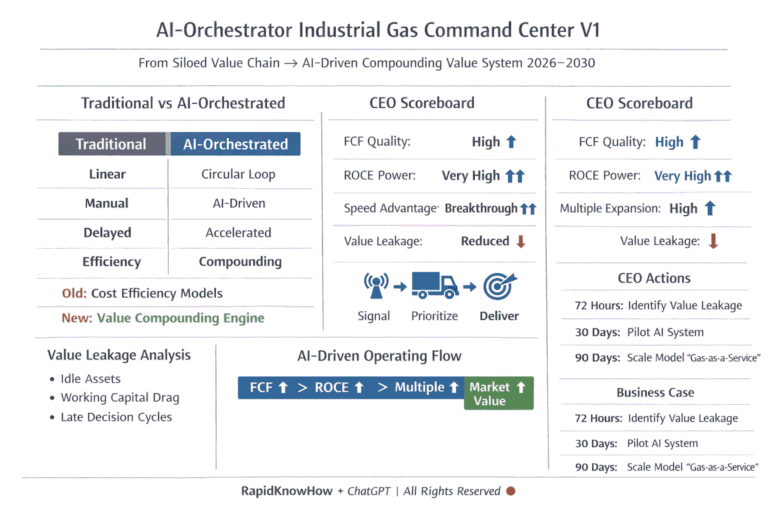
Industrial Gas Transformation 2026–2030

Josef David 4th April 2026
Copyright © RapidKnowHow I All rights reserved. | MoreNews by AF themes.
We use cookies on our website to give you the most relevant experience by remembering your preferences and repeat visits. By clicking “Accept”, you consent to the use of ALL the cookies.
Do not sell my personal information.
Cookie SettingsAccept
Manage consent

Privacy Overview

This website uses cookies to improve your experience while you navigate through the website. Out of these, the cookies that are categorized as necessary are stored on your browser as they are essential for the working of basic functionalities of the website. We also use third-party cookies that help us analyze and understand how you use this website. These cookies will be stored in your browser only with your consent. You also have the option to opt-out of these cookies. But opting out of some of these cookies may affect your browsing experience.
Necessary
Always Enabled
Necessary cookies are absolutely essential for the website to function properly. These cookies ensure basic functionalities and security features of the website, anonymously.
CookieDurationDescription
cookielawinfo-checkbox-analytics11 monthsThis cookie is set by GDPR Cookie Consent plugin. The cookie is used to store the user consent for the cookies in the category "Analytics".
cookielawinfo-checkbox-functional11 monthsThe cookie is set by GDPR cookie consent to record the user consent for the cookies in the category "Functional".
cookielawinfo-checkbox-necessary11 monthsThis cookie is set by GDPR Cookie Consent plugin. The cookies is used to store the user consent for the cookies in the category "Necessary".
cookielawinfo-checkbox-others11 monthsThis cookie is set by GDPR Cookie Consent plugin. The cookie is used to store the user consent for the cookies in the category "Other.
cookielawinfo-checkbox-performance11 monthsThis cookie is set by GDPR Cookie Consent plugin. The cookie is used to store the user consent for the cookies in the category "Performance".
viewed_cookie_policy11 monthsThe cookie is set by the GDPR Cookie Consent plugin and is used to store whether or not user has consented to the use of cookies. It does not store any personal data.
Functional
Functional cookies help to perform certain functionalities like sharing the content of the website on social media platforms, collect feedbacks, and other third-party features.
Performance
Performance cookies are used to understand and analyze the key performance indexes of the website which helps in delivering a better user experience for the visitors.
Analytics
Analytical cookies are used to understand how visitors interact with the website. These cookies help provide information on metrics the number of visitors, bounce rate, traffic source, etc.
Advertisement
Advertisement cookies are used to provide visitors with relevant ads and marketing campaigns. These cookies track visitors across websites and collect information to provide customized ads.
Others
Other uncategorized cookies are those that are being analyzed and have not been classified into a category as yet.
SAVE & ACCEPT