
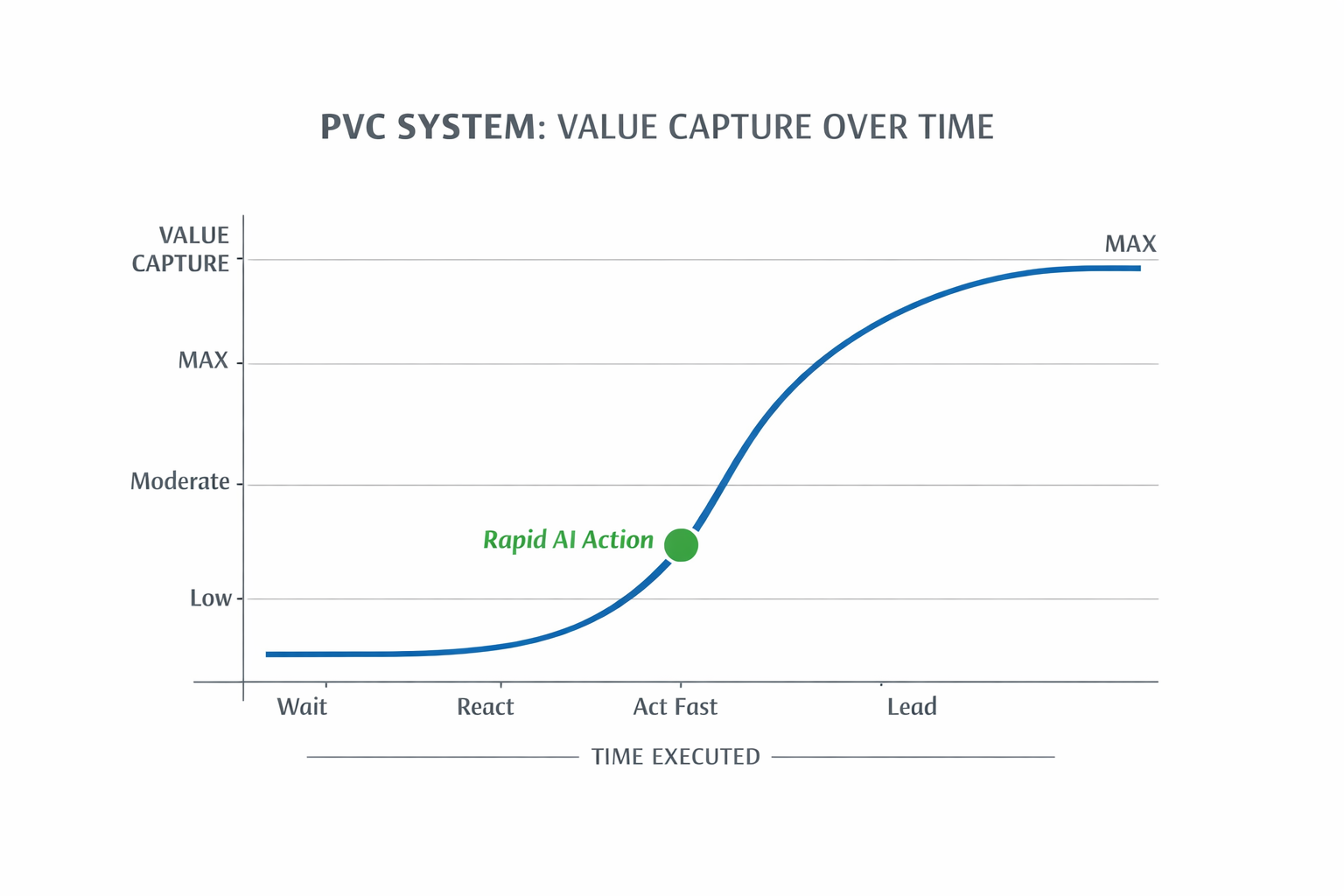
Power Report 2026–2030 | AI-Orchestrator Leadership Model
A) EXECUTIVE STRATEGIC SUMMARY
Core Thesis
The next global competitive advantage will not be money or technology alone —
it will be the ability to orchestrate Health + Wealth systems simultaneously across generations.
Most individuals and institutions treat health and wealth separately.
AI-Orchestrator Leaders integrate them into one compounding system.
The Compounding Law
Health × Wealth × Time × AI = Generational Advantage
If one factor collapses → system collapses.
Why 2026–2030 Is the Decisive Window
This period represents a rare convergence:
| Driver | Impact |
|---|---|
| AI automation | 10× productivity leverage |
| Longevity tech | Longer productive lifespan |
| Financial AI | Autonomous capital allocation |
| Data platforms | Real-time decision advantage |
| Preventive medicine | Cost collapse vs treatment |
Leaders who build integrated systems now will dominate for decades.- Josef David
B) THE AI-ORCHESTRATOR GENERATIONAL SYSTEM MODEL
SYSTEM ARCHITECTURE
Layer 1 — Foundation Engines
- Health Intelligence Engine
- Wealth Compounding Engine
- Decision Intelligence Engine
- Risk Detection Engine
Layer 2 — Orchestration Layer
The AI-Orchestrator acts as:
- strategist
- optimizer
- early-warning system
- allocation engine
Traditional leaders manage.
Orchestrator leaders allocate.
Layer 3 — Compounding Loops
Loop 1 — Health → Wealth
Healthy individuals:
- make better decisions
- work longer
- compound capital longer
Loop 2 — Wealth → Health
Financial strength enables:
- preventive care
- stress reduction
- optimized lifestyle
Loop 3 — AI → Both
AI provides:
- predictive diagnostics
- optimal portfolio allocation
- behavioral nudges
- risk alerts
The Flywheel Effect
Health ↑ → Energy ↑ → Decisions ↑ → Income ↑ → Wealth ↑ → Care ↑ → Health ↑
Compounding becomes exponential.
C) THE 10 STRATEGIC PILLARS (2026–2030)
1. Preventive Health First
Shift spending from treatment → prevention.
2. AI Decision Copilot
Every strategic decision supported by AI scenario simulation.
3. Cash-Flow Dominance
Focus on free cash flow, not revenue.
4. Asset-Light Models
Ownership ↓
Control ↑
5. Longevity Productivity
Plan careers for 60-year productivity cycles.
6. Data Ownership
Those who own their data own their future.
7. Risk Radar Systems
Detect threats before they appear.
8. Automated Wealth Compounding
Invest automatically, remove emotion.
9. Cognitive Optimization
Mental performance becomes economic leverage.
10. Legacy Architecture
Design systems that work without you.
D) THE 5 GENERATIONAL LEADERSHIP RULES
- Build systems, not income streams
- Design for 50 years, not 5
- Optimize energy before time
- Automate decisions before scaling
- Create assets that outlive you
E) STRATEGIC RISK MAP (WHY MOST FAIL)
Most health-wealth systems collapse because of:
- reactive healthcare
- emotional investing
- fragmented data
- short-term thinking
- manual decision-making
AI-Orchestrator leadership eliminates these weaknesses.
F) IMPLEMENTATION ROADMAP 2026–2030
Phase 1 — Build (2026)
Create your dual system infrastructure.
Phase 2 — Automate (2027)
Deploy AI decision layers.
Phase 3 — Compound (2028)
Reinvest surplus automatically.
Phase 4 — Scale (2029)
Replicate system across entities.
Phase 5 — Legacy (2030)
System runs without your presence.
G) CEO DASHBOARD METRICS
Track only these 6 indicators:
- Energy Score
- Decision Speed
- Free Cash Flow
- Asset Ratio
- Risk Exposure
- Compounding Rate
Everything else is noise.
H) FINAL STRATEGIC INSIGHT
The richest and healthiest leaders of 2035 will not be the smartest —
they will be the best orchestrators. – Josef David
I) BOARDROOM CONCLUSION
The real strategic question is no longer:
How do we grow?
It is:
How do we build a self-compounding system that grows without us?

