Skip to content
RapidKnowHow

RapidKnowHow

Turning Signals into Actionable Results

Primary Menu
  • Decision Governance Leader
    • Industrial Gas Leader
    • Business Leader
    • GeoPower Leader
    • Life Leader
    • Wealth Leader
  • RapidThrive
  • Licensing
  • About
    • 🏛 IGAS AI-Orchestrator™ – Premium Governance Mandate Architecture
    • Josef David
    • Contact
    • Legal & Licensing Notice
×
Live
  • Home
  • The 1-Hour Democracy Leader
  • Geopolitik: Wer setzt auf Konfrontation? Wer auf Kooperation?

Geopolitik: Wer setzt auf Konfrontation? Wer auf Kooperation?

Josef David 18th September 2024 3 minutes read
RapidKnowHow

In der aktuellen geopolitischen Landschaft setzen sich die drei Hauptakteure – die USA, China und Russland – unterschiedlich für Konfrontation oder Kooperation ein. Hier sind die Ansätze jedes dieser Länder sowie die Gründe dafür:

1. USA

Tendenz: Kooperation und Konfrontation

  • Kooperation: Die USA arbeiten oft mit Verbündeten und internationalen Institutionen zusammen, um globale Herausforderungen wie den Klimawandel, den Terrorismus und Gesundheitsschutz zu adressieren. Sie setzen auf multilaterale Abkommen, um ihre Werte und Ideale zu fördern.
  • Konfrontation: In Bereichen wie Handel, militärische Präsenz und geopolitische Konflikte (z.B. im Indo-Pazifik gegen China) zeigen die USA oft konfrontative Züge. Die Politik der maximalen Druckausübung gegen Staaten wie Iran und Nordkorea ist ein Beispiel dafür.

Gründe:

  • Nationale Sicherheit: Die USA sehen China und Russland als Wettbewerber, die ihre globale Macht und Einfluss ausbauen wollen. Um ihre eigene Position zu sichern, sind sie oft konfrontativ.
  • Wertepolitik: Die USA fördern Demokratie und Menschenrechte weltweit, was zu Spannungen mit autokratischen Regierungen führt.

2. China

Tendenz: Tendenziell Konfrontation

  • Konfrontation: China verfolgt eine aggressive Außenpolitik in der Region, insbesondere im Südchinesischen Meer, und zeigt wenig Bereitschaft zur Kooperation in Bereichen, die als bedrohlich für seine nationalen Interessen angesehen werden.
  • Kooperation: China sucht jedoch auch Zusammenarbeit in Form von Handelsbeziehungen und multilateralen Initiativen (z.B. Belt and Road Initiative) an, wo es die Oberhand gewinnen kann.

Gründe:

  • Wachstum und Einfluss: China strebt danach, seine geopolitische und wirtschaftliche Macht auszubauen, was oft zu Konfrontationen mit den USA und ihren Verbündeten führt.
  • Nationale Souveränität: Chinas Ansatz ist geprägt von einem starken Fokus auf nationale Souveränität und territorialer Integrität, was aggressive Reaktionen gegen empfundene Bedrohungen hervorruft.

3. Russland

Tendenz: Konfrontation

  • Konfrontation: Russland setzt auf konfrontative Taktiken, insbesondere in der Ukraine und in seinen Beziehungen zur NATO. Die Annektion der Krim 2014 und militärische Interventionen in Syrien und anderen Ländern sind Beispiele für diese Politik.

Gründe:

  • Geopolitische Ambitionen: Russland will seinen Einfluss in ehemaligen Sowjetstaaten und in Europa wiederherstellen, was es in Konflikt mit dem Westen bringt.
  • Wahrnehmung von Bedrohungen: Russland betrachtet die NATO-Osterweiterung und die amerikanische Einflussnahme in Europa als Bedrohung, was zu einer aggressiven Außenpolitik führt.

Fazit

Kooperationsstrategien scheinen für die US-amerikanische Außenpolitik wichtig zu sein, insbesondere wenn es um globale Herausforderungen geht. Auf der anderen Seite tendieren China und Russland stark zu konfrontativen Strategien, wobei China versucht, seinen Einfluss durch wirtschaftliche Mittel zu sichern und Russland aus einer historischen Perspektive nachgeordnete Einflusszonen wiederherstellen möchte. Die komplexe und dynamische Natur der internationalen Beziehungen bedeutet, dass die Strategien sich ständig weiterentwickeln können und oft von den jeweiligen geopolitischen Konstellationen abhängen.

About the Author

Josef David

Administrator

Thriving Leadership / Owner RapidKnowHow.com /

Visit Website View All Posts
Sharing is Caring! Thanks!

Post navigation

Previous: Arktis: Geopolitische Interessen, Ziele und Strategien
Next: Green Politik bedeutet Frieden, Freiheit, Demokratie?

Related Stories

15Sec

RapidKnowHow: 15 Seconds-Systems for Leaders

Josef David 5th April 2026
Industrial_Gas_FCF_Command_Center_V3

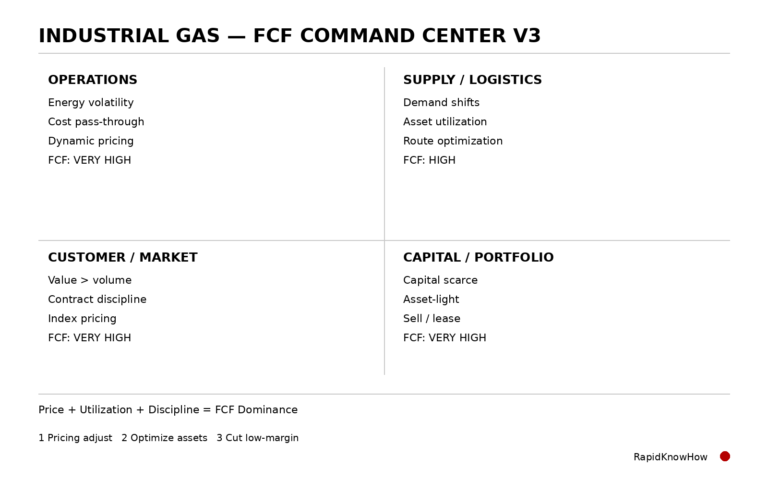
🧭 FCF COMMAND CENTER — INDUSTRIAL GAS – Week 15/2026

Josef David 5th April 2026
FCF_Command_Center_V3_CLEAN

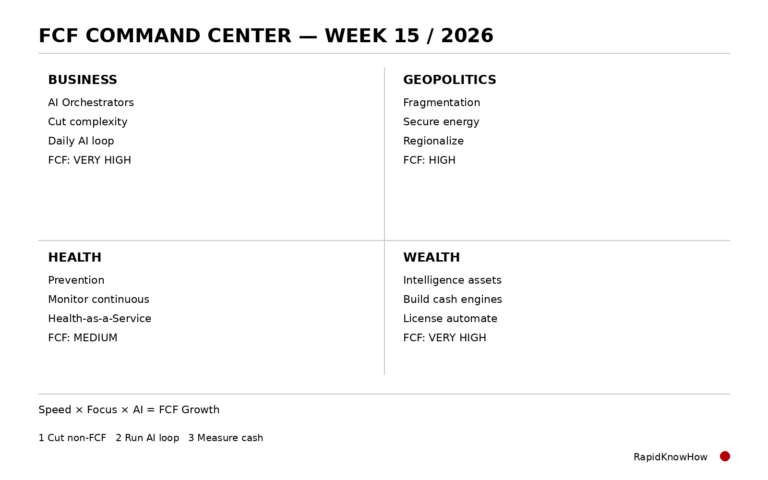
🔎 RapidKnowHow — Week 15/2026

Josef David 5th April 2026

You may have missed

15Sec

RapidKnowHow: 15 Seconds-Systems for Leaders

Josef David 5th April 2026
Industrial_Gas_FCF_Command_Center_V3

🧭 FCF COMMAND CENTER — INDUSTRIAL GAS – Week 15/2026

Josef David 5th April 2026
FCF_Command_Center_V3_CLEAN

🔎 RapidKnowHow — Week 15/2026

Josef David 5th April 2026
IGCCV1 (1)

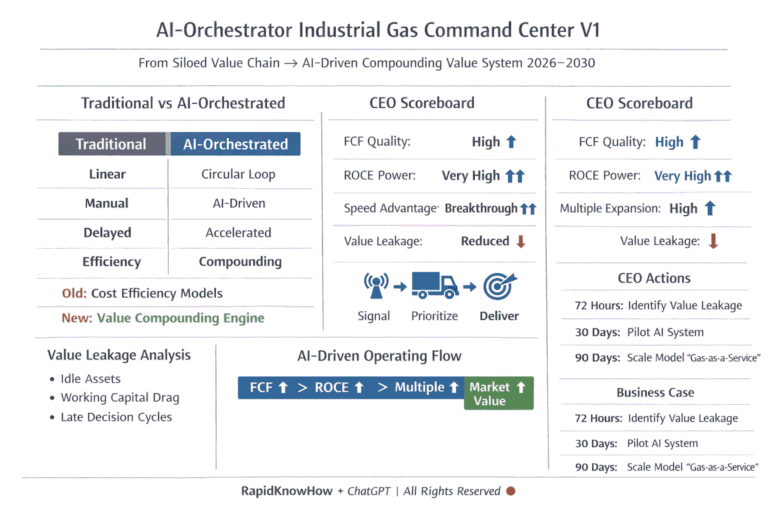
Industrial Gas Transformation 2026–2030

Josef David 4th April 2026
Copyright © RapidKnowHow I All rights reserved. | MoreNews by AF themes.
We use cookies on our website to give you the most relevant experience by remembering your preferences and repeat visits. By clicking “Accept”, you consent to the use of ALL the cookies.
Do not sell my personal information.
Cookie SettingsAccept
Manage consent

Privacy Overview

This website uses cookies to improve your experience while you navigate through the website. Out of these, the cookies that are categorized as necessary are stored on your browser as they are essential for the working of basic functionalities of the website. We also use third-party cookies that help us analyze and understand how you use this website. These cookies will be stored in your browser only with your consent. You also have the option to opt-out of these cookies. But opting out of some of these cookies may affect your browsing experience.
Necessary
Always Enabled
Necessary cookies are absolutely essential for the website to function properly. These cookies ensure basic functionalities and security features of the website, anonymously.
CookieDurationDescription
cookielawinfo-checkbox-analytics11 monthsThis cookie is set by GDPR Cookie Consent plugin. The cookie is used to store the user consent for the cookies in the category "Analytics".
cookielawinfo-checkbox-functional11 monthsThe cookie is set by GDPR cookie consent to record the user consent for the cookies in the category "Functional".
cookielawinfo-checkbox-necessary11 monthsThis cookie is set by GDPR Cookie Consent plugin. The cookies is used to store the user consent for the cookies in the category "Necessary".
cookielawinfo-checkbox-others11 monthsThis cookie is set by GDPR Cookie Consent plugin. The cookie is used to store the user consent for the cookies in the category "Other.
cookielawinfo-checkbox-performance11 monthsThis cookie is set by GDPR Cookie Consent plugin. The cookie is used to store the user consent for the cookies in the category "Performance".
viewed_cookie_policy11 monthsThe cookie is set by the GDPR Cookie Consent plugin and is used to store whether or not user has consented to the use of cookies. It does not store any personal data.
Functional
Functional cookies help to perform certain functionalities like sharing the content of the website on social media platforms, collect feedbacks, and other third-party features.
Performance
Performance cookies are used to understand and analyze the key performance indexes of the website which helps in delivering a better user experience for the visitors.
Analytics
Analytical cookies are used to understand how visitors interact with the website. These cookies help provide information on metrics the number of visitors, bounce rate, traffic source, etc.
Advertisement
Advertisement cookies are used to provide visitors with relevant ads and marketing campaigns. These cookies track visitors across websites and collect information to provide customized ads.
Others
Other uncategorized cookies are those that are being analyzed and have not been classified into a category as yet.
SAVE & ACCEPT