Why ownership stops winning — and decision access takes over

The Situation
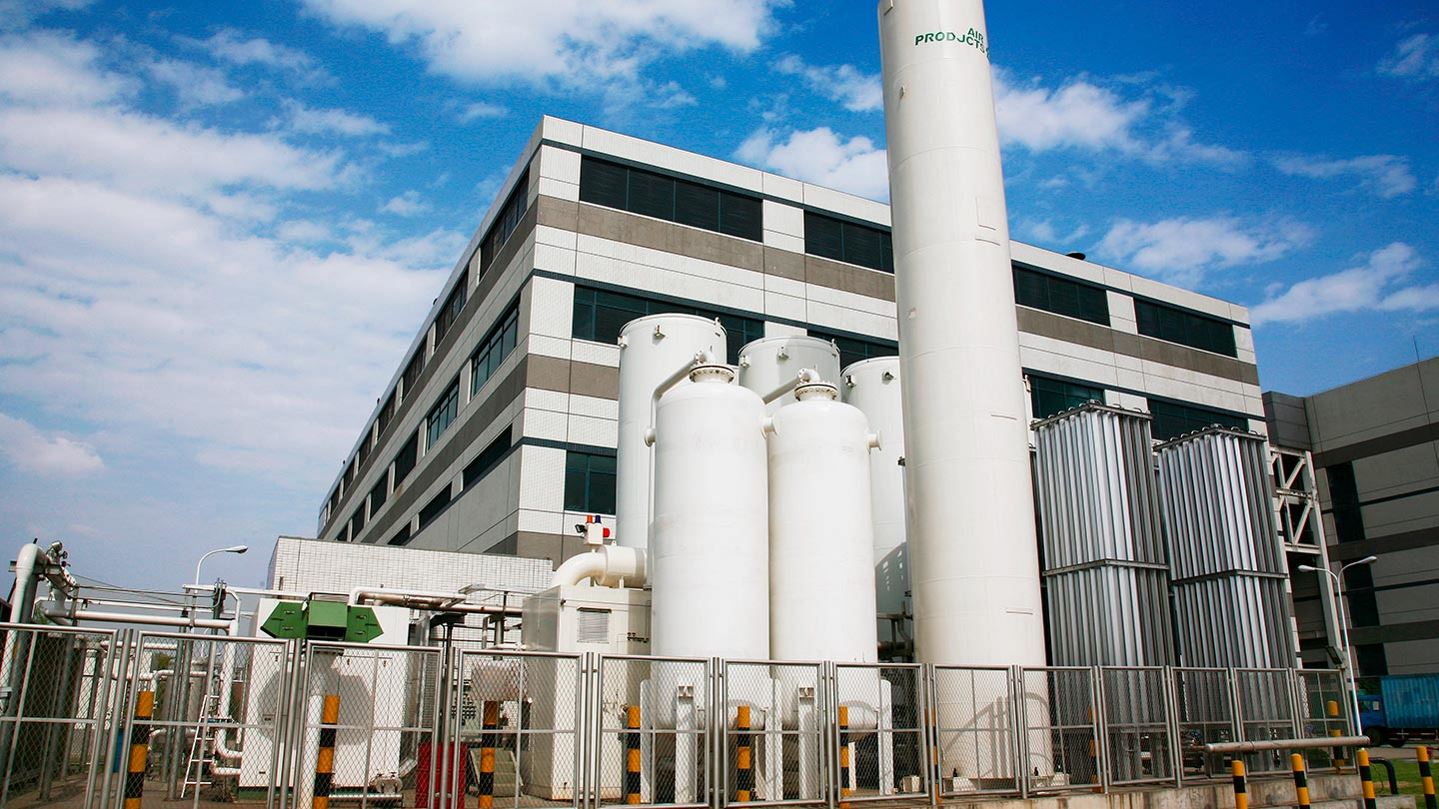
Industrial gases have long been governed by a capital-heavy logic:
- Large on-site plants
- Long take-or-pay contracts
- Volume (m³) as the primary metric
- High switching costs
Result: Stable cash flows — but shrinking strategic freedom.
The Core Problem
The legacy model optimizes assets, not decisions:
- Customers are locked into rigidity
- Flexibility, resilience, and CO₂ outcomes are secondary
- Innovation is slow because assets must be utilized
➡️ When conditions change, the model resists change.
The Strategic Insight
In 2026, customers don’t buy gas.
They buy availability, safety, resilience, and compliance.
Power no longer sits with the largest plant —
it sits with whoever designs the supply decision.
The META Move (2026)
Shift from asset ownership → outcome orchestration
| Legacy Logic | META 2026 Logic |
|---|---|
| m³ delivered | Outcome guaranteed (SLA) |
| Asset utilization | Availability & resilience |
| Long rigid contracts | Modular, reviewable agreements |
| Supplier dominance | Decision partnership |
How the Value Creation Changes
Instead of asking:
“How many cubic meters do you need?”
META players ask:
- What uptime do you require?
- What happens if demand shifts?
- What is your CO₂ ceiling?
- What is the exit logic if conditions change?
➡️ The discussion moves upstream — into strategy.
Concrete META Deal (Abstracted)
- SLA: 99.99% availability
- Modular supply: on-site + mobile backup
- CO₂ KPI guaranteed
- Annual performance review
- Exit option after 36 months
➡️ Customer buys certainty, not infrastructure.
Why Legacy Leaders Struggle
- Their economics require utilization
- Their contracts resist modularity
- Their governance is implicit, not explicit
➡️ Copying META would undermine their own model.
Where Disruption Starts
Not in the core:
- New plants
- Mega steel contracts
But at the edges:
- Transitional demand
- Backup & redundancy
- ESG-driven projects
- Volatile production environments
➡️ Edges redefine the center over time.
Executive Decision Rule
If your value is measured in cubic meters,
you are already losing influence.
If it’s measured in outcomes, you are gaining it.
Early Warning Signal (Board-Level)
If customers begin to ask:
- “What happens if conditions change?”
- “Can you guarantee outcomes?”
- “What is our exit option?”
➡️ The legacy model is being quietly bypassed.
CEO Takeaway
Industrial gases are no longer a product business.
They are becoming a governance and resilience business.
Those who control decision design
will control the market — regardless of who owns the plants.
RapidKnowHow Use
- Signature META case for Industriegases
- Entry point for Outcome & Governance Strategy
- Board-level reframing trigger