The 2026–2030 Strategic Whitepaper
RapidKnowHow + Industrial Gas Leaders
A) EXECUTIVE SUMMARY (CEO 3-Minute Read)
Industrial Gas leaders (e.g., Linde plc, Air Liquide, Air Products) operate in a capital-intensive, margin-sensitive environment shaped by:
- Energy volatility
- Hydrogen hype vs ROI reality
- AI data center cooling demand
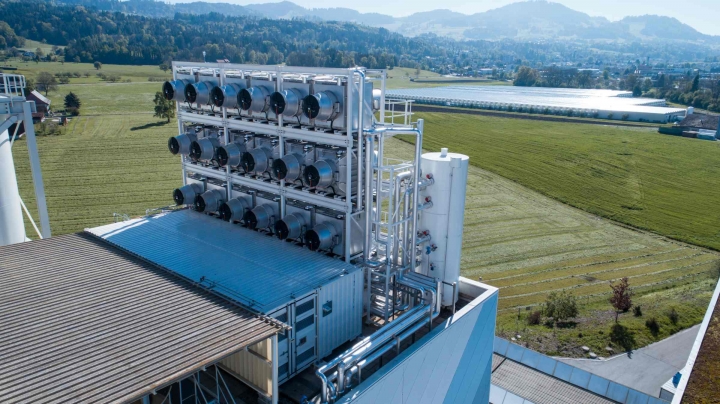
- CO₂ policy acceleration
- Long asset cycles
- Slow decision hierarchies
2026 reality:
Operational excellence is no longer sufficient.
The decisive advantage shifts to:
Decision Speed × Capital Allocation Intelligence × AI-Orchestrated System Thinking.
This Whitepaper introduces the AI-Orchestrator Leadership Model for Industrial Gases — a system that converts signal noise into measurable Free Cash-Flow impact.
B) THE STRATEGIC CONTEXT 2026–2030


1️⃣ Hydrogen Investment Wave
Massive announcements.
Uncertain IRR.
Policy-driven demand distortions.
2️⃣ AI Infrastructure Acceleration
Data centers require:
- Liquid nitrogen
- Specialty gases
- Precision supply reliability
AI growth = opportunity — if priced correctly.
3️⃣ Energy Volatility
Electricity cost directly impacts ASUs.
Pass-through timing is decisive.
4️⃣ Carbon Pricing & ESG
CO₂ capture and green positioning affect access to capital.
C) THE CORE PROBLEM
Traditional Leadership Model:
- Production optimized
- Sales optimized
- Procurement optimized
- Finance optimized
→ But not orchestrated.
Result:
- Slow reaction to energy spikes
- Late pricing adjustments
- Suboptimal CapEx sequencing
- FCF leakage
- Hydrogen misallocation risk
D) THE AI-ORCHESTRATOR LEADER MODEL
THE OPERATING LOOP
Signal → Prioritize → Act → Capture → Reinforce
1️⃣ SIGNAL
Inputs:
- Energy cost delta
- Policy shifts
- AI data center pipeline
- Customer credit risk
- Capacity utilization
Filtered via:
Industrial Gas Exposure Index
2️⃣ PRIORITIZE
Ranking based on:
- FCF sensitivity
- Decision speed leverage
- ROICE potential
- Risk compression effect
3️⃣ ACT
Examples:
- Accelerated price pass-through recalibration
- Merchant contract renegotiation
- Hydrogen project re-staging
- AI infrastructure account prioritization
- CapEx deferral or acceleration
4️⃣ CAPTURE
Measure:
- Free Cash-Flow Delta
- Margin delta
- Working capital release
- ROICE %
5️⃣ REINFORCE
Institutionalize:
- Weekly signal dashboard
- Monthly orchestration meeting
- Quarterly capital re-ranking
- AI decision compression
E) THE DIFFERENCE VS TRADITIONAL LEADERSHIP
| Traditional | AI-Orchestrator |
|---|---|
| Budget cycle driven | Signal driven |
| Annual CapEx planning | Rolling capital re-ranking |
| Operational focus | Cash-Flow focus |
| Departmental decisions | System orchestration |
| Reactive pricing | Predictive adjustment |
F) INDUSTRIAL GAS USE CASES
Use Case 1 — Energy Shock
Traditional:
Quarterly adjustment.
Orchestrator:
48-hour scenario stress → 7-day pricing reset → FCF preservation.
Use Case 2 — Hydrogen Hype Risk
Traditional:
CapEx driven by political pressure.
Orchestrator:
IRR stress-tested with exposure model before final investment.
Use Case 3 — AI Data Center Surge
Traditional:
Standard sales cycle.
Orchestrator:
Strategic prioritization of high-ROICE accounts + supply assurance.
G) MEASURABLE IMPACT POTENTIAL (ILLUSTRATIVE)
Industrial Gas Player:
Revenue: €5–15bn
EBITDA Margin: 20–30%
CapEx: 12–18% of revenue
Orchestrator Model Potential:
- 1–3% FCF improvement via decision speed compression
- 2–4% working capital release
- 1–2% CapEx re-ranking improvement
- Risk reduction in hydrogen exposure
Net Impact:
Strategic resilience + compounding capital discipline.
H) WHY THIS MATTERS NOW
Between 2026–2030:
- AI energy demand rises
- Hydrogen reality check occurs
- Carbon costs increase
- Capital becomes more selective
Leaders who orchestrate win.
Leaders who optimize silos lag.
I) IMPLEMENTATION ROADMAP
Phase 1 – Diagnostic (30 Days)
Deploy:
- Industrial Gas Exposure Index
- Pass-Through Sensitivity Model
- CapEx Heatmap
- AI Demand Radar
Phase 2 – 90-Day Sprint
Deliver:
- FCF opportunity map
- Decision speed compression plan
- Portfolio stress test
- CapEx re-ranking
Phase 3 – Institutionalization
Embed:
- Weekly Signal Dashboard
- Monthly Orchestration Forum
- Board-Level ROICE Review
J) POSITIONING STATEMENT
RapidKnowHow + Industrial Gas Leader
= Industrial Gas Strategic Orchestration as a Service
Not consulting.
Not digital transformation.
But:
Cash-Flow Centric AI-Orchestrated Leadership.
K) STRATEGIC CONCLUSION
The next competitive advantage in industrial gases will not come from:
- Bigger plants
- More hydrogen announcements
- ESG slogans
It will come from:
Decision Speed + Capital Allocation Intelligence + AI Signal Compression.
That is the AI-Orchestrator Leader. – Josef David