
Industrial Gas Organisation Design (1925–2035)
What Worked • Who Led • What Wins Next
A) 100 Years Evolution of Competitive Organisation Design
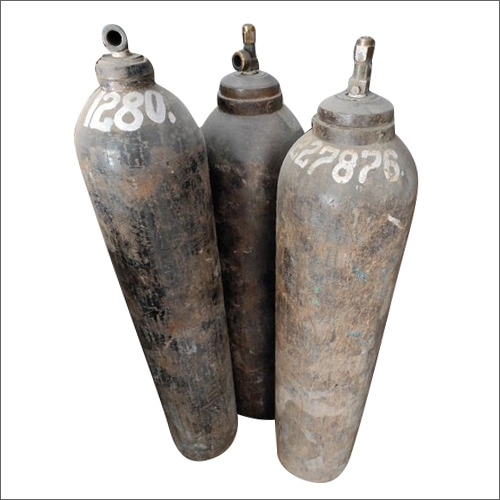
1. 1920s–1950s: Engineering-Centric Industrial Model

Design
- Centralized, plant-driven
- Engineering + production dominance
- Local/regional supply
Leaders
- Linde plc
- Air Liquide
- AGA AB
Why it worked
- Scarcity of industrial gases
- High technical barriers
- Demand from steel, chemicals, welding
👉 Winning Formula:
Engineering Excellence + Asset Control
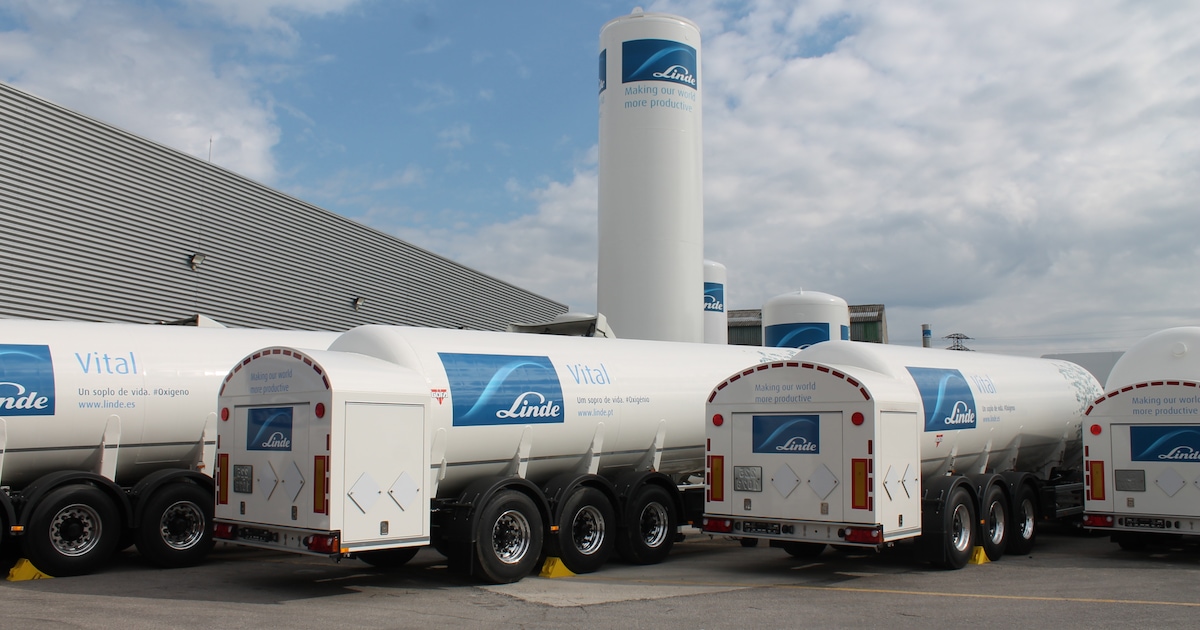
2. 1960s–1980s: Scale & Vertical Integration Model

Design
- Large-scale production plants (ASUs)
- Long-term contracts (on-site supply)
- Vertical integration (production → delivery)
Leaders
- Air Products and Chemicals
- Praxair
Why it worked
- Economies of scale
- Lock-in contracts (10–20 years)
- Capital intensity = barrier to entry
👉 Winning Formula:
Scale + Long-Term Contracts + Capital Power
3. 1990s–2010: Global Efficiency & Consolidation Model
Design
- Global matrix organizations
- Regional hubs + shared services
- M&A-driven consolidation
Leaders
- Linde plc
- Air Liquide
- Praxair
Why it worked
- Cost optimization
- Global customer contracts
- Standardization across regions
👉 Winning Formula:
Global Scale + Cost Leadership + Integration
4. 2010–2025: Portfolio & Financial Performance Model
Design
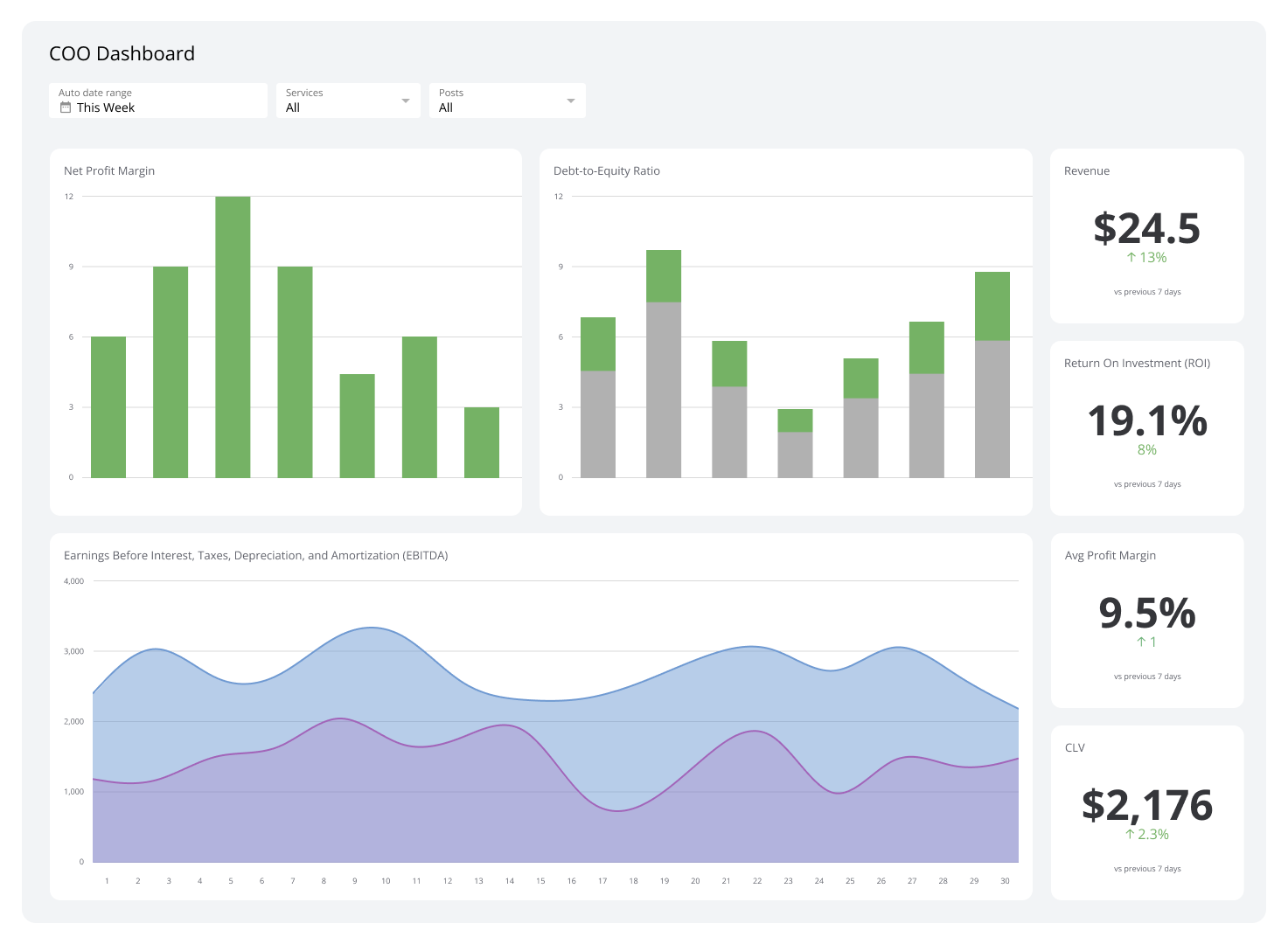
- Portfolio-based business units (On-site, Bulk, Packaged, Healthcare)
- Strong KPI governance (ROCE, FCF)
- Selective growth (Hydrogen, Healthcare)
Leaders
- Linde plc (clear #1)
- Air Liquide
Why it worked
- Capital discipline
- High-margin portfolio steering
- Focus on resilient cash flows
👉 Winning Formula:
FCF + ROCE + Portfolio Optimization
B) The Emerging Winning Model (2025–2035)
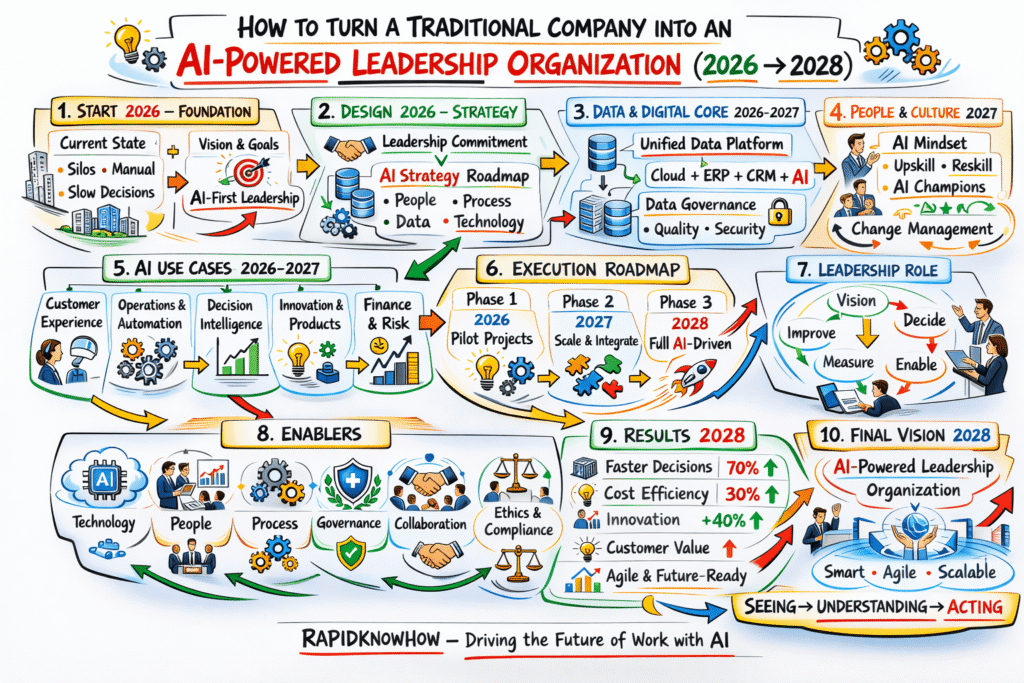
AI-Orchestrator + Asset-Light Ecosystem Model
Design
- AI-Orchestrator at the center (decision intelligence)
- Asset-light partner ecosystems
- Platform-based service model (Gas-as-a-Service)
Core Shift
From:
- Owning assets
To: - Orchestrating value flows
Why this model will dominate
1. Speed beats scale
- Traditional: 3–5 years investment cycle
- New: weeks/months deployment
2. Data > Assets
- AI optimizes:
- Pricing
- Logistics
- Demand prediction
3. Customers want outcomes, not gas
- Oxygen uptime
- Hydrogen decarbonization
- Healthcare continuity
👉 Winning Formula (Next 10 Years)
AI × Ecosystem × FCF Velocity
C) Who Will Thrive — and HOW
1. The Winners (2025–2035)
1.1 Incumbents who transform
- Linde plc
- Air Liquide
IF they:
- Build AI-Orchestrator systems
- Shift to platform + services
- Open ecosystems
1.2 New Asset-Light Challengers
- Regional players
- Digital-first operators
- Hydrogen ecosystem builders
Advantage
- No legacy assets
- Faster decision cycles
1.3 Tech-driven Integrators
- AI + energy + gas convergence players
- Industrial platform companies
2. Who Will Lose
❌ Asset-heavy, slow decision organizations
❌ Pure product sellers (gas volume mindset)
❌ Organizations without digital intelligence
3. HOW to Thrive (CEO Playbook)
Step 1 — Shift the Core Logic
From:
- Product → Volume
To: - Outcome → Value
Step 2 — Build AI-Orchestrator Core
- Real-time decision engine:
- Pricing
- Supply chain
- Asset utilization
Step 3 — Go Asset-Light
- Partner instead of owning everything
- Build ecosystems:
- Logistics
- Energy
- Healthcare
Step 4 — Monetize FCF Velocity
- Faster cash cycles
- Dynamic pricing
- High-margin services
Step 5 — Create Platform Dominance
- Gas-as-a-Service
- Subscription models
- Integrated solutions
🔥 FINAL STRATEGIC SNAPSHOT (CEO LEVEL)
1925–1980
➡️ Win by Engineering + Scale
1980–2025
➡️ Win by Global Efficiency + FCF Discipline
2025–2035
➡️ Win by:
👉 AI-Orchestrator Leadership + Ecosystem Control + Speed
Strategic Sentence
👉 “The winner is no longer the one who owns the most gas plants — but the one who makes the smartest decisions fastest.” – Josef David