Posted on

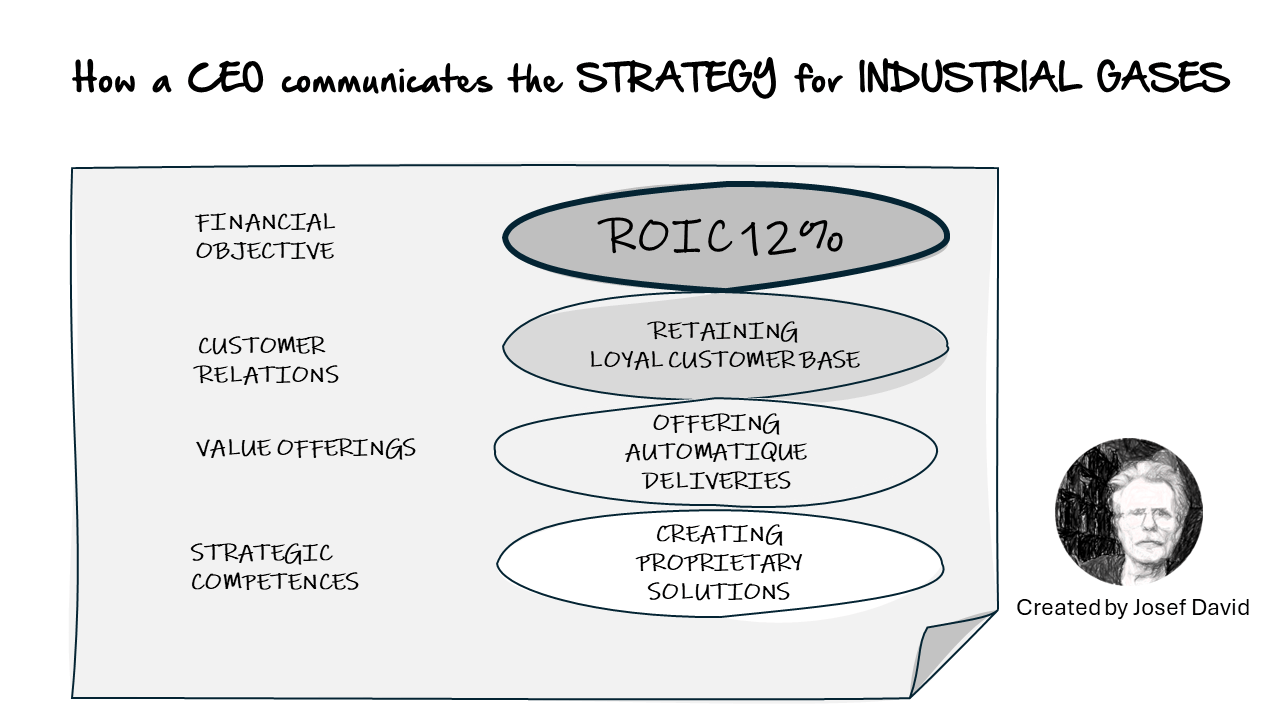
Industrial Gas Leader : Evaluating Service Providers

RapidKnowHow

Evaluating and selecting an industrial gas service provider can be a daunting task, especially when you consider the myriad of factors that need to be taken into account. The main problem that most businesses face in this regard is finding a provider that offers high-quality services at competitive prices, while also meeting all their specific needs and requirements.

What is the root cause of the problem

The root cause of this problem lies in the complexity and diversity of the industrial gas market. There are numerous providers out there, each offering different types of gases, delivery methods, and pricing structures. Furthermore, the needs of businesses can vary greatly depending on their industry, size, location, and other factors. This makes it difficult to find a one-size-fits-all solution.

How to solve the problem

To solve this problem, businesses need to conduct a thorough evaluation and selection process. This should start with a clear understanding of their own needs and requirements. They should identify the types of gases they need, the quantities they require, their preferred delivery method (e.g., cylinders, bulk delivery, on-site production), and any other specific requirements they may have.

Once they have a clear understanding of their needs, businesses can start researching different providers. They should look at factors such as the provider’s reputation, quality of services, pricing structure, delivery options, customer service, and compliance with safety and environmental regulations. It may also be beneficial to seek recommendations from other businesses in their industry.

Using Case studies to get valuable insight into the service provider selection process

Case studies from the industry can provide valuable insights into this process. For instance, a study by the British Compressed Gases Association found that businesses that conducted a thorough evaluation and selection process were more likely to find a provider that met all their needs and offered good value for money. Another study by the Industrial Gas Association highlighted the importance of considering factors such as safety compliance and environmental sustainability when selecting a provider.

In conclusion, evaluating and selecting an industrial gas service provider is not an easy task due to the complexity and diversity of the market. However, by understanding their own needs and conducting a thorough research and evaluation process, businesses can find a provider that meets all their requirements and offers good value for money.

The next steps would be to shortlist potential providers based on the criteria mentioned above, request proposals or quotes from them, and then make a final decision based on a careful comparison of these proposals. It may also be beneficial to negotiate the terms of the contract with the selected provider to ensure that they meet all the business’s needs and offer the best possible value.
Posted on

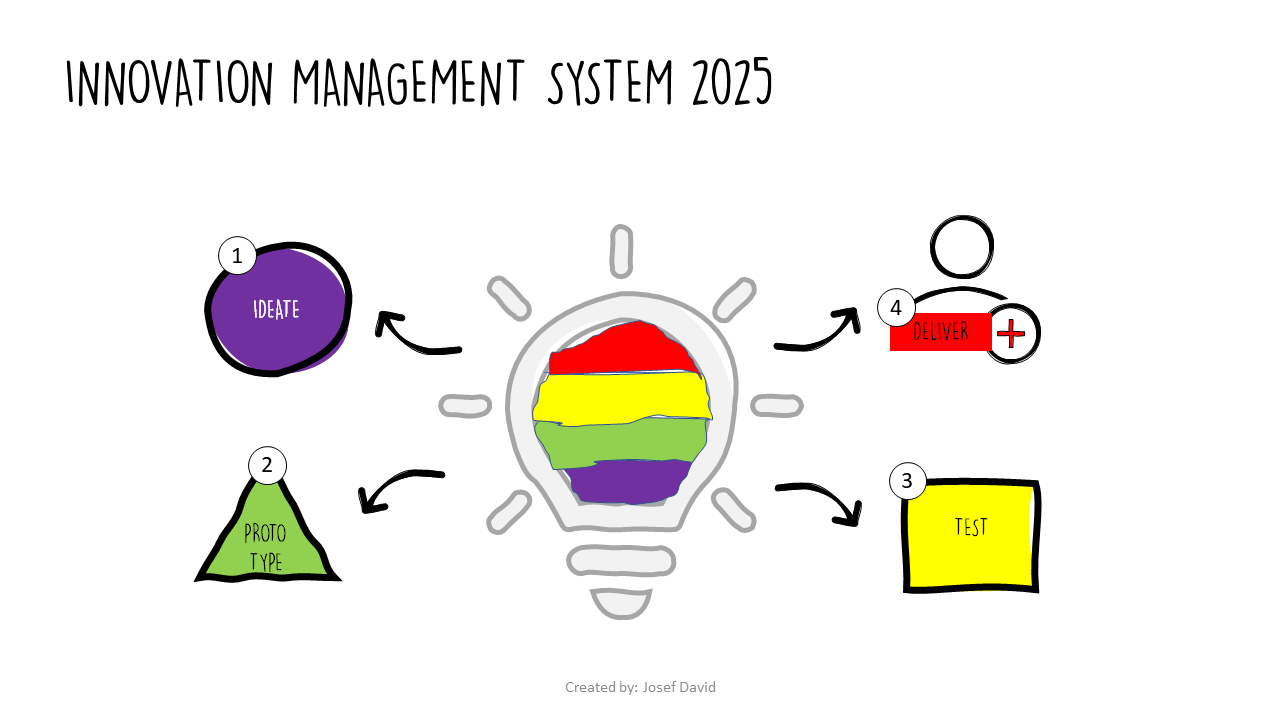
10 Top Strategic BUSINESS Scenes using Storyboarding

RapidKnowHow

Storyboarding and sketchnoting are powerful tools that can be used to visualize and communicate strategic business scenes. These techniques allow for the creation of a visual narrative, which can help to clarify complex ideas, facilitate understanding, and foster collaboration.

Here are ten top strategic business scenes where storyboarding and sketchnoting can be particularly effective:

1. Product Development: Storyboarding can be used to visualize the development process of a new product, from initial concept to final production. This can help teams understand the steps involved, identify potential challenges, and brainstorm solutions.

2. Marketing Campaigns: Sketchnoting can be used to map out marketing strategies, including target audience profiles, key messages, and channels of communication. This visual approach can help teams align on campaign objectives and tactics.

3. Sales Strategies: Storyboarding can be used to illustrate a sales process or customer journey. This can help sales teams understand customer needs and behaviors, and develop more effective sales strategies.

4. Organizational Change: When a company is going through significant changes such as restructuring or mergers, storyboarding can help communicate these changes in an easy-to-understand way.

RapidKnowHow

5. Project Management: Sketchnoting can be used to outline project timelines, tasks, and responsibilities. This visual approach can help teams stay organized and on track.

6. Training Programs: Storyboarding is an effective tool for designing training programs. It allows trainers to map out the learning journey in a way that is engaging and easy for trainees to follow.

RapidKnowHow

7. Customer Service Improvement: Sketchnoting customer feedback and experiences can provide valuable insights into areas for improvement in customer service.

8. Risk Management: Storyboarding potential risks and their impacts on different areas of the business can help companies prepare for unexpected events.

9. Innovation Planning: Sketchnoting brainstorming sessions encourages creativity and innovation by visually capturing ideas in a non-linear way.

RapidKnowHow

10. Strategic Planning: Storyboarding the company’s strategic plan can help communicate the vision, mission, and strategic objectives to all members of the organization in a clear and engaging way.

RapidKnowHow

Strategic business scenes using storyboarding and sketchnoting involve the use of visual tools to map out business strategies, processes, or scenarios. These techniques can be particularly useful in complex or abstract situations where verbal or written explanations may fall short. By creating a visual narrative, storyboarding and sketchnoting can help to clarify ideas, facilitate understanding, and foster collaboration.

In conclusion, storyboarding and sketchnoting are powerful tools for visualizing and communicating strategic business scenes. They can be used in a variety of contexts, from product development to strategic planning, to facilitate understanding and collaboration. As next steps, consider how these techniques could be applied in your own organization. Start small by sketchnoting a meeting or storyboarding a simple process, and gradually incorporate these techniques into more complex strategic scenarios.

Posted on

Creating STRATEGIC SCENES using Storyboarding

RapidKnowHow

Storyboarding and sketchnoting are powerful tools that can be used to create strategic scenes in various contexts, including business, finance, politics, and life learning. These techniques allow for the visualization of ideas, concepts, and narratives in a way that is both engaging and easy to understand.

Business Scenes

In the business world, storyboarding can be used to map out strategic plans, visualize customer journeys, or illustrate product development processes. For example, a storyboard could be used to depict the steps a customer takes when interacting with a company’s product or service. This visual representation can help identify areas of improvement or opportunities for innovation.

Sketchnoting, on the other hand, is an excellent tool for capturing and communicating complex business ideas during meetings or brainstorming sessions. By using simple drawings and diagrams, sketchnotes can help clarify complex concepts and ensure everyone on the team is on the same page.

Finance Scenes

In finance, storyboarding can be used to illustrate financial models or investment strategies. A storyboard could depict the flow of money in an investment portfolio or the potential outcomes of different financial scenarios. This can help stakeholders understand the strategy behind financial decisions and anticipate potential risks or rewards.

Sketchnoting can also be beneficial in finance by providing a visual summary of financial data or trends. Instead of sifting through pages of numbers and text, stakeholders can quickly grasp key points through a sketchnote.

Politics Scenes

Storyboarding in politics can be used to map out campaign strategies or policy proposals. A storyboard could illustrate how a proposed policy would work in practice or how a campaign plans to reach its target voters. This visual approach can make complex political strategies more accessible to team members, stakeholders, and even voters.

Sketchnoting can also play a role in politics by visually summarizing political debates or speeches. A sketchnote can highlight key points and arguments, making it easier for viewers to understand and remember the content.

Life Learning Scenes

In life learning or personal development, storyboarding can be used to visualize personal goals or learning paths. For example, a storyboard could map out the steps needed to achieve a personal goal or depict the journey of personal growth.

Sketchnoting can complement this by providing a visual summary of learning materials or experiences. Whether it’s a book summary, lecture notes, or reflections on a personal experience, sketchnotes can make the learning process more engaging and effective.

Conclusion and Next Steps

In conclusion, storyboarding and sketchnoting are powerful tools for creating strategic scenes in various contexts. They allow for the visualization of ideas, concepts, and narratives in a way that is both engaging and easy to understand.

As next steps, consider how you might incorporate these techniques into your own work or personal life. Start small by trying to sketchnote a meeting or storyboard a simple process. With practice, you’ll be able to create more complex visualizations and reap the benefits of these powerful tools.

Posted on

Creating Strategic BUSINESS Scenes using Storyboarding

RapidKnowHow

A business scene is a visual representation of a business situation or process. It could be a depiction of a sales meeting, a customer service interaction, a production process, or any other business scenario.
The purpose of creating a business scene is to provide a clear and concise understanding of the situation or process, which can be used for training, problem-solving, decision-making, or communication purposes.

Storyboarding is an effective tool for creating strategic business scenes. It involves drawing a series of images to represent different stages or aspects of the business situation or process. Each image in the storyboard serves as a ‘scene’ that contributes to the overall understanding of the situation or process. The storyboard can be used as a visual guide for discussions, presentations, or reports.

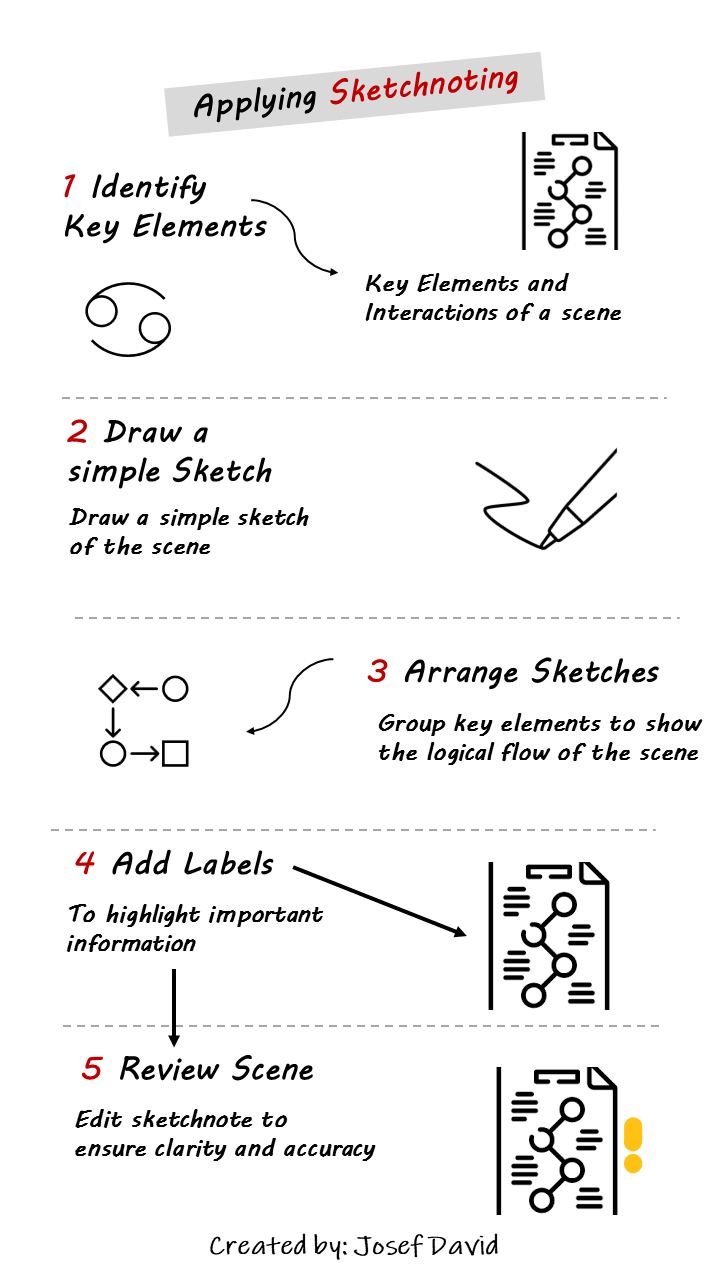
Sketchnoting, on the other hand, is a method of note-taking that involves drawing simple sketches to represent ideas or information. It’s an effective way to visualize complex information in an easy-to-understand format. Sketchnoting can be used to visualize business scenes by sketching out the key elements and interactions in the scene.

Who can apply Sketchnoting?

Anyone who needs to understand, communicate, or make decisions about business situations or processes can apply sketchnoting for business scenes. This includes managers, team leaders, trainers, consultants, analysts, and even frontline staff. The ability to visualize complex information in a simple and clear format can greatly enhance their effectiveness in their roles.

The best time to apply sketchnoting for business scenes is when you need to understand or communicate complex information. This could be during a meeting, when preparing a report or presentation, when analyzing a problem or opportunity, or when planning a project or initiative.

To apply sketchnoting for business scenes:

1. Identify the key elements and interactions in the scene.

2. Draw simple sketches to represent these elements and interactions.

3. Arrange the sketches in a logical sequence or layout to show the flow or structure of the scene.

4. Add labels, notes, or annotations to provide additional information or clarification.

5. Review and revise the sketchnote as needed to ensure it accurately and clearly represents the scene.

In conclusion, creating strategic business scenes using storyboarding and visualizing business scenes with sketchnoting are powerful tools for understanding, communicating, and making decisions about business situations or processes. They enable you to transform complex information into simple and clear visual formats that can be easily understood and used by others.

As next steps, consider how you can apply these tools in your own work. Start by practicing sketchnoting in your daily tasks or meetings. Then try creating a storyboard for a simple business situation or process. As you gain confidence and skill, you can tackle more complex scenes and use these tools for strategic decision-making and communication.

Posted on

Creating Business Scenes using Visual Thinking and Sketchnoting

RapidKnowHow

What are Business Scenes?

Business scenes are essentially visual representations of various business scenarios or processes. They can depict anything from a company’s organizational structure, workflow processes, customer journey maps, to strategic planning and decision-making processes. These scenes provide a snapshot of the business’s operations, helping stakeholders understand the intricacies of the business model, identify potential bottlenecks, and devise strategies for improvement.

Why use Visual Thinking and Sketchnoting?

Visual thinking and sketchnoting are powerful tools that can greatly enhance our understanding and retention of information. They leverage our brain’s inherent ability to process visual information more efficiently than text.

Visual thinking involves using images, diagrams, charts, symbols, and other visual elements to represent information. It helps in simplifying complex ideas, identifying patterns and relationships, and facilitating problem-solving and decision-making.

Sketchnoting, on the other hand, is a method of note-taking that combines text with simple drawings and symbols. It not only makes note-taking more engaging but also aids in better recall of information.

In the context of business scenes, visual thinking and sketchnoting can be instrumental in:

1.Simplifying Complexity: Business processes can often be complex with multiple steps, roles, and dependencies. Visual representations can simplify these complexities making them easier to understand.

2. Enhancing Communication: Visuals are universal and transcend language barriers. They can effectively communicate ideas across diverse teams within an organization.

3. Facilitating Collaboration: Visuals can serve as a common ground for team members to discuss ideas, identify issues, and brainstorm solutions.

4. Driving Engagement: Visuals are more engaging than text-heavy documents. They can help in capturing attention and driving engagement among stakeholders.

How to sketch Business Scenes using Visual Thinking and Sketchnoting?

Creating business scenes using visual thinking and sketchnoting involves a few key steps:

1. Identify the Purpose: Understand what you want to achieve with the business scene. Is it to explain a process, communicate a strategy, or solve a problem?

2. Gather Information: Collect all necessary information related to the business scene. This could include data, processes, roles, dependencies, etc.

3. Create a Rough Sketch: Start with a rough sketch of the scene. Use simple shapes and symbols to represent different elements.

4. Refine and Detail: Add more details to your sketch. Use arrows to indicate flow or direction, use colors for differentiation or emphasis, add labels or annotations for clarity.

5. Review and Iterate: Review your sketch with stakeholders. Gather feedback and make necessary revisions.

Conclusion and Next Steps

Visual thinking and sketchnoting are powerful tools for creating business scenes. They not only simplify complex business scenarios but also enhance communication, collaboration, and engagement among stakeholders.

However, like any other skill, mastering visual thinking and sketchnoting requires practice. Start small – maybe by visually representing a simple process or meeting notes. Gradually move on to more complex scenarios as you get comfortable.

There are also numerous resources available online – books, courses, tutorials – that can help you learn and improve these skills.

Remember, the goal is not to create artistic masterpieces but to communicate effectively. So don’t worry about your drawing skills; focus on the message that you want to convey.

In conclusion, in an increasingly complex business environment, visual thinking and sketchnoting can be game-changers. They can help business leaders visualize their operations, strategies, and ideas – driving better understanding, decision-making, and results.

Innovation Delivered
Posted on

How the Innovation Consultant delivers Value?

RapidKnowHow

Who is an Innovation Consultant?

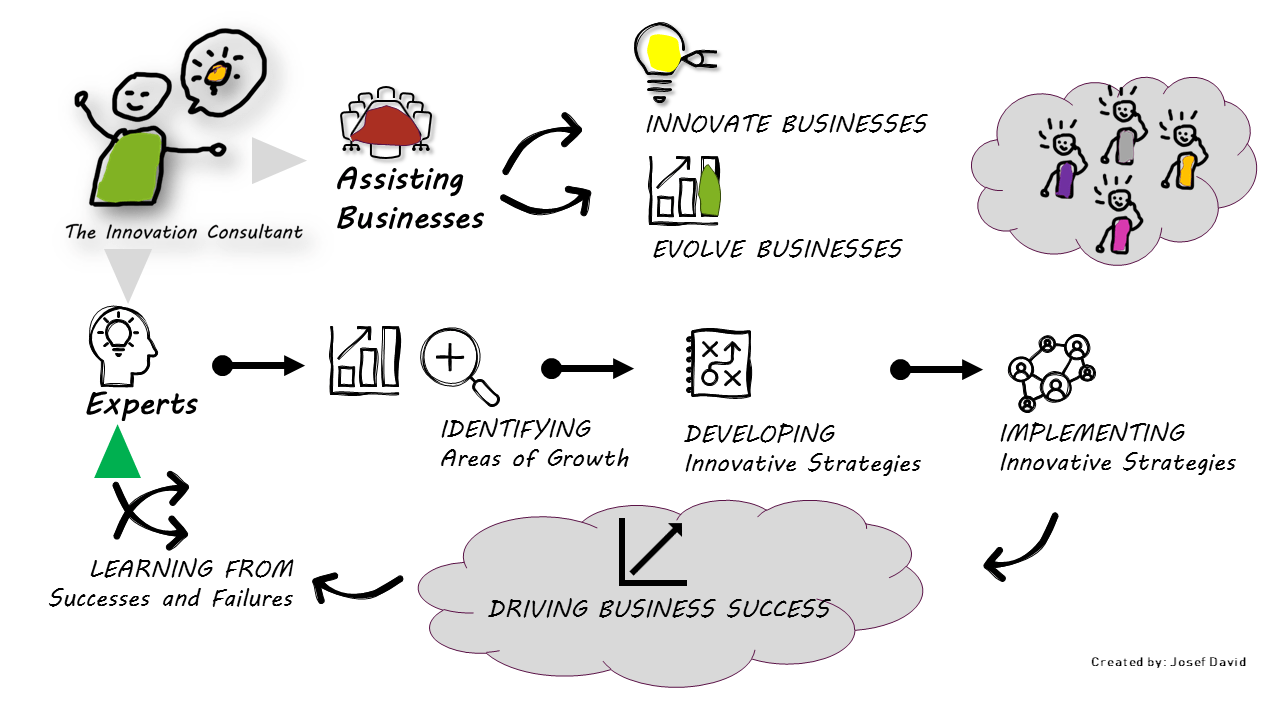
An Innovation Consultant is a professional who specializes in assisting businesses to innovate and evolve. They are experts in identifying areas of potential growth, developing innovative strategies, and implementing these strategies to drive business success. These professionals come from a variety of backgrounds, including business, technology, design, and more. They possess a deep understanding of the innovation process, from idea generation to execution, and they use this knowledge to help businesses stay competitive in their respective markets.

What is his Offer?

An Innovation Consultant offers a range of services designed to foster innovation within an organization. These services typically include:

1. Innovation Strategy Development: This involves creating a comprehensive plan that outlines how a business can leverage innovation to achieve its goals. This strategy may include new product development, process improvement, technology adoption, and more.

2. Idea Generation: Innovation Consultants often facilitate brainstorming sessions or workshops to generate new ideas for products, services, or processes.

3. Innovation Management: This involves overseeing the implementation of innovative strategies, ensuring they are executed effectively and deliver the desired results.

4. Training and Development: Many Innovation Consultants offer training programs to help teams develop the skills necessary for innovation.

5. Evaluation and Assessment: After implementing an innovation strategy, consultants will evaluate its effectiveness and make necessary adjustments.

How does he communicate his offer?

An Innovation Consultant communicates his offer in several ways:

1. Consultation: The consultant will typically begin with a consultation session where he discusses the client’s needs and objectives. This allows him to understand the client’s business better and tailor his services accordingly.

2. Proposal: After understanding the client’s needs, the consultant will present a proposal outlining his recommended approach for fostering innovation within the organization.

3. Presentation: In some cases, the consultant may also give presentations or workshops to key stakeholders within the organization to explain his approach and how it will benefit the business.

4. Reports: Throughout the engagement, the consultant will provide regular reports detailing the progress of the innovation strategy and its impact on the business.

Conclusion and Next Steps

In conclusion, an Innovation Consultant is a valuable asset for any business looking to innovate and evolve. They offer a range of services designed to foster innovation, from strategy development to idea generation, management, training, and evaluation.

If you’re considering hiring an Innovation Consultant, the next steps would be to identify your business’s needs and objectives. Once you have a clear understanding of what you want to achieve, you can start looking for a consultant who specializes in your industry or area of interest. Remember to ask for references and examples of previous work to ensure they have a proven track record of success.

Innovation is not a one-size-fits-all process. It requires a tailored approach that takes into account the unique needs and circumstances of each business. By working with an Innovation Consultant, businesses can ensure they are taking the right steps towards innovation and long-term success.