
Page 14 of 840
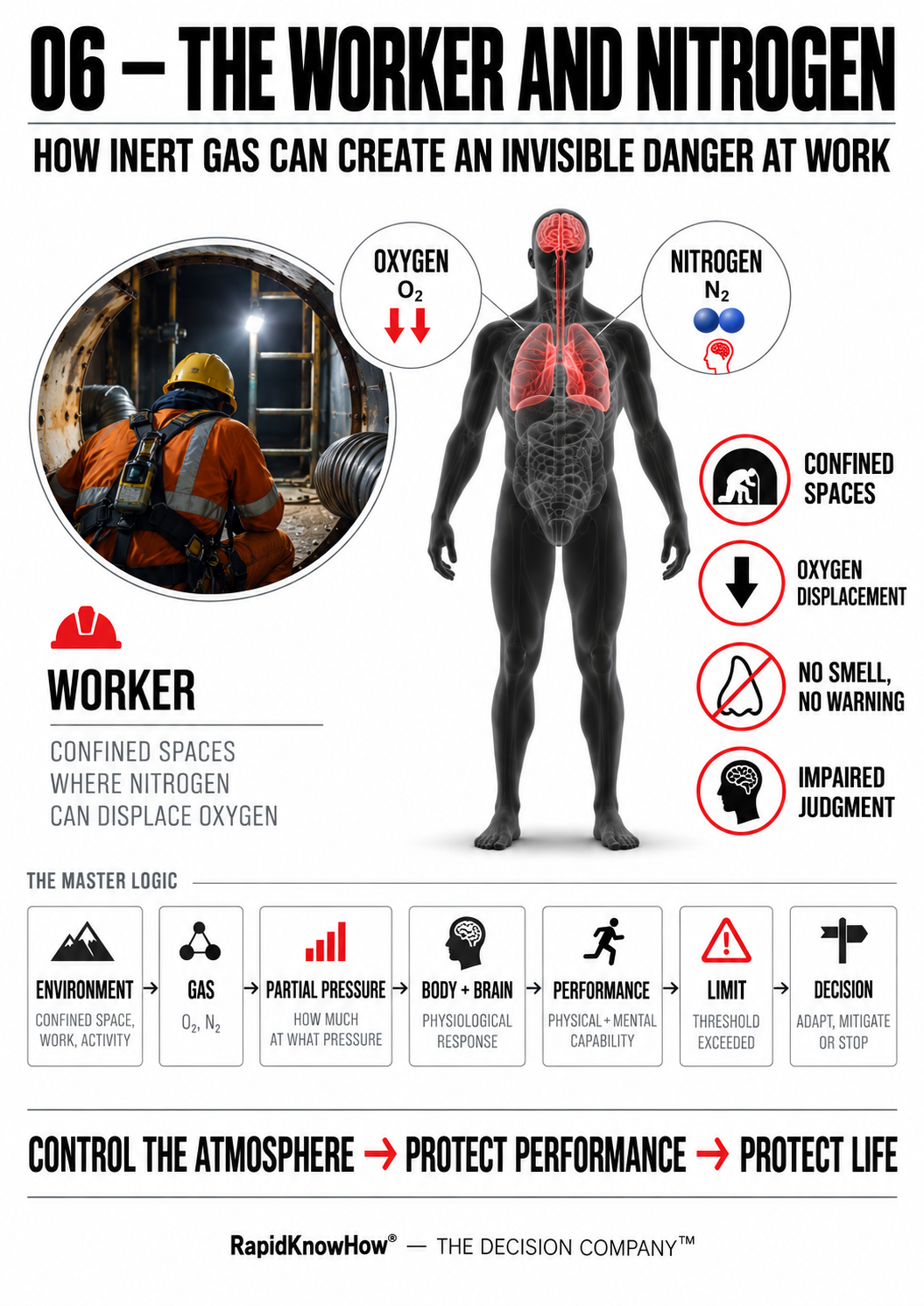
Nitrogen is chemically inert, yet it can create a lethal workplace atmosphere by displacing oxygen — especially in tanks, vessels and confined spaces.
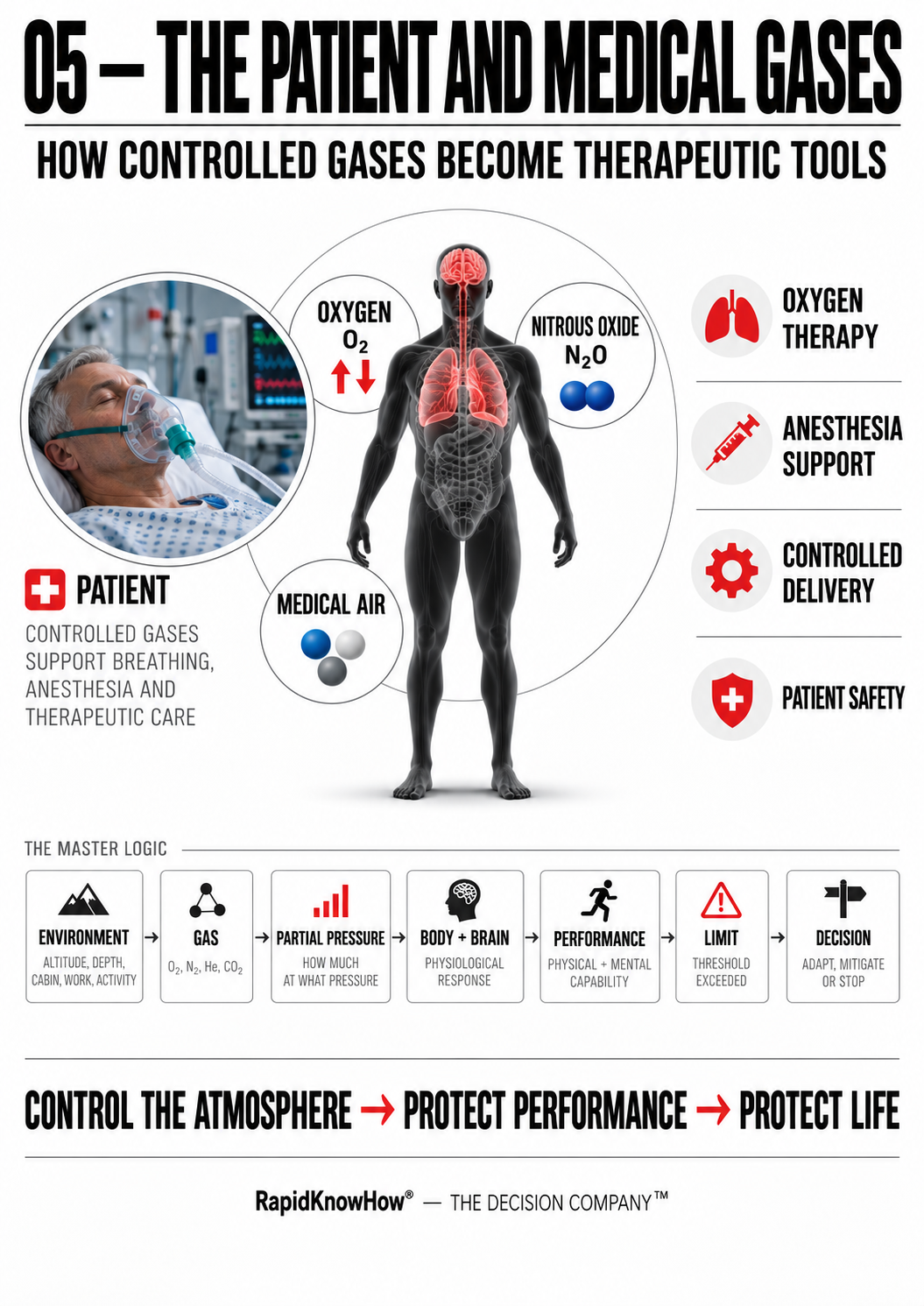
Medical gases become therapeutic tools only when gas identity, purity, dose, delivery and patient response are controlled. Oxygen, medical air and nitrous oxide explained as one clinical gas system.
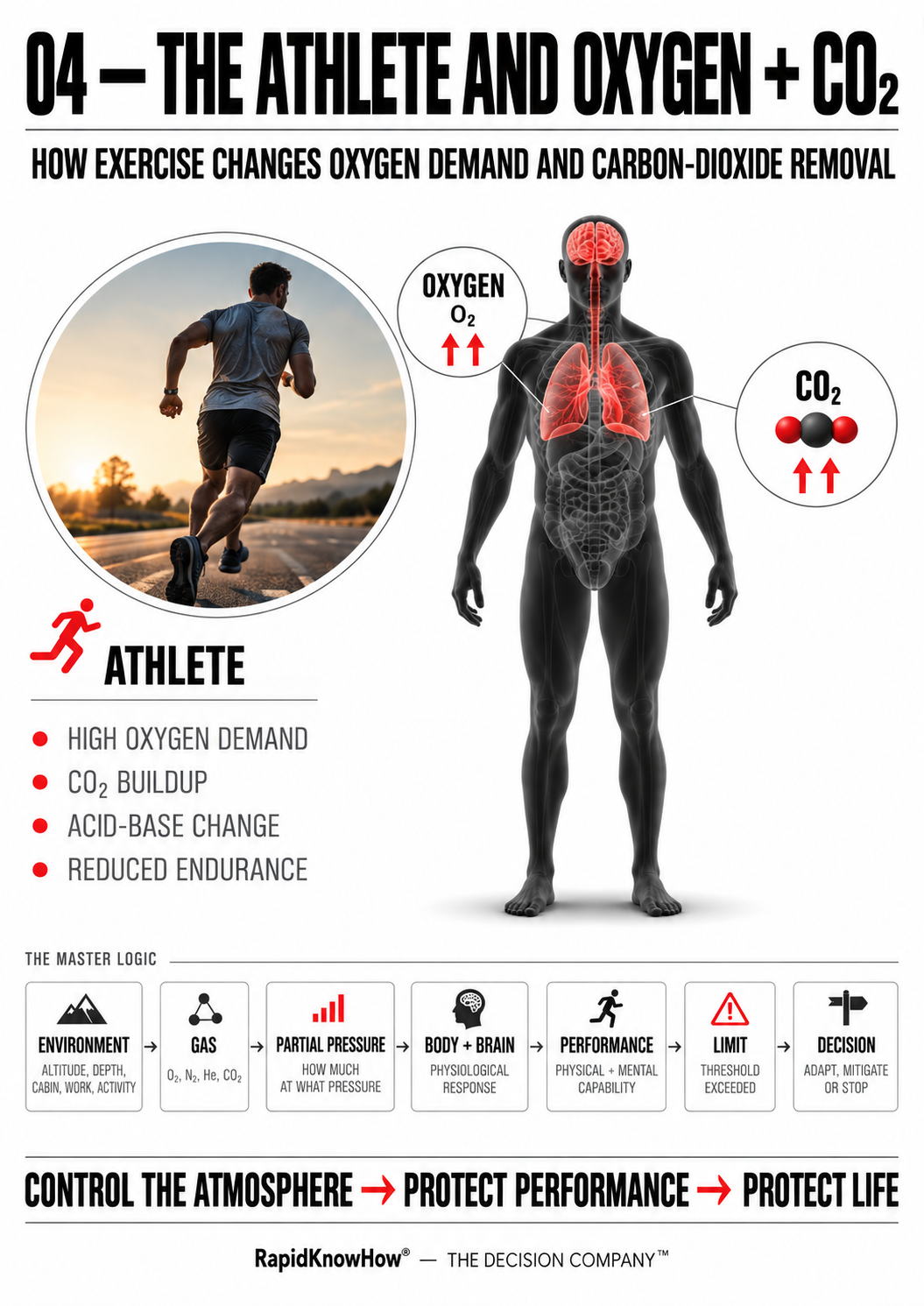
Exercise raises oxygen demand and carbon-dioxide production. Human performance depends on matching oxygen delivery, circulation, ventilation and CO₂ removal to workload.
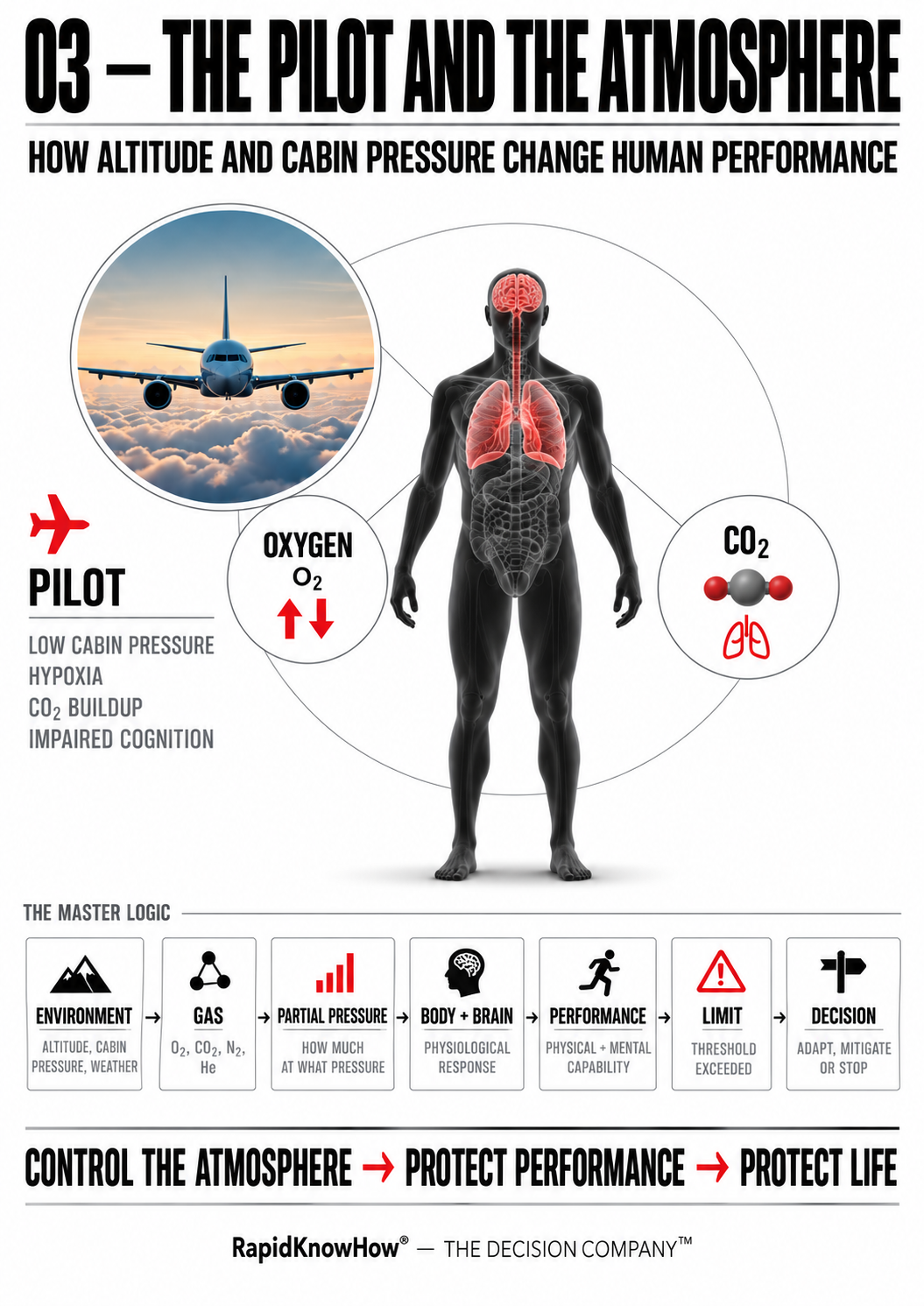
Altitude and cabin pressure can reduce oxygen partial pressure and degrade cognition, coordination and decision quality before the pilot fully recognizes the problem.
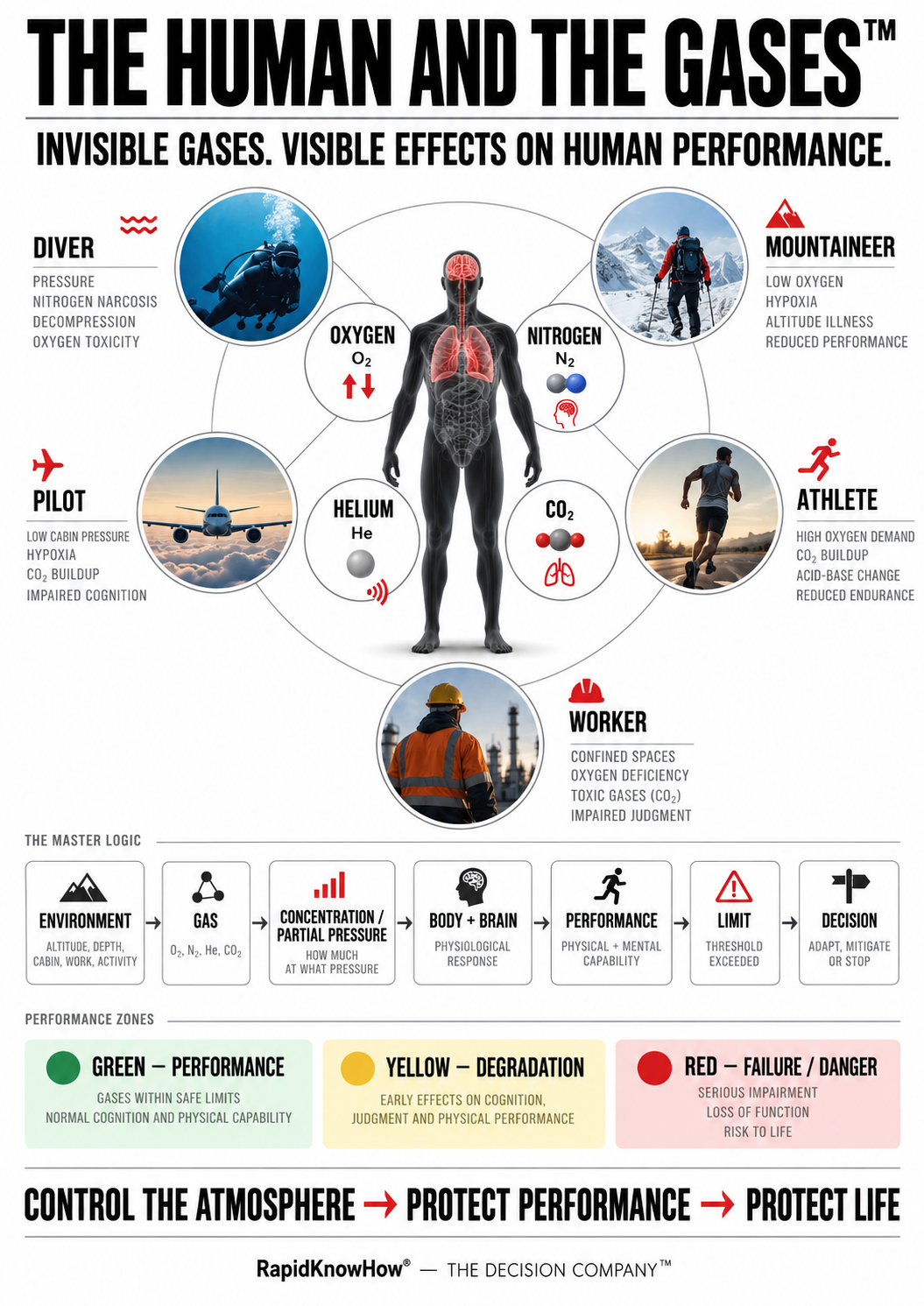
A RapidKnowHow® PowerPost series on how oxygen, nitrogen, helium, CO₂ and other gases influence human performance across diving, altitude, aviation, sport, industry, medicine and closed environments.
At altitude, oxygen still makes up about 21% of the air — but lower atmospheric pressure reduces oxygen partial pressure and can degrade human judgment, coordination and endurance.